

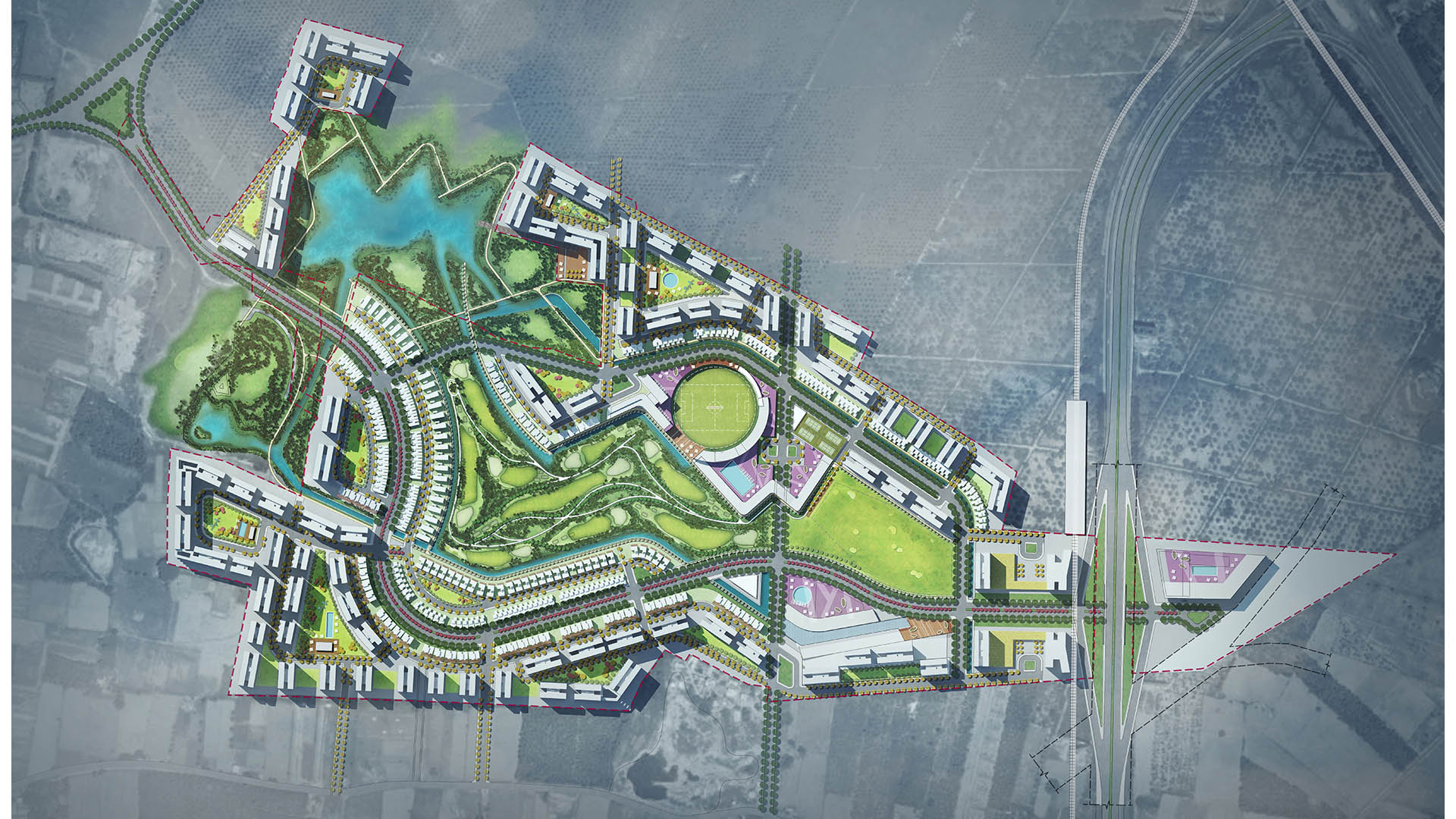


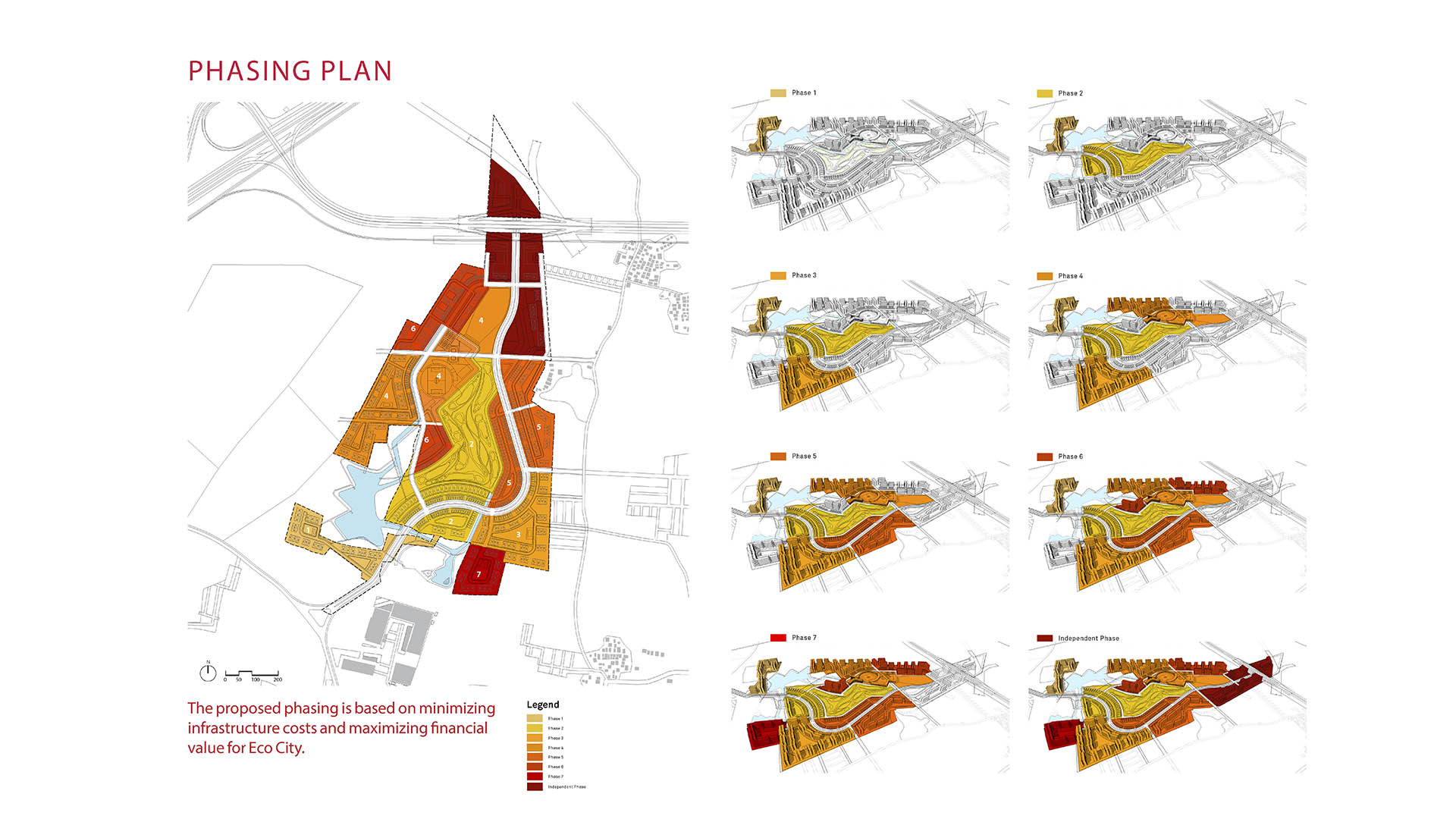

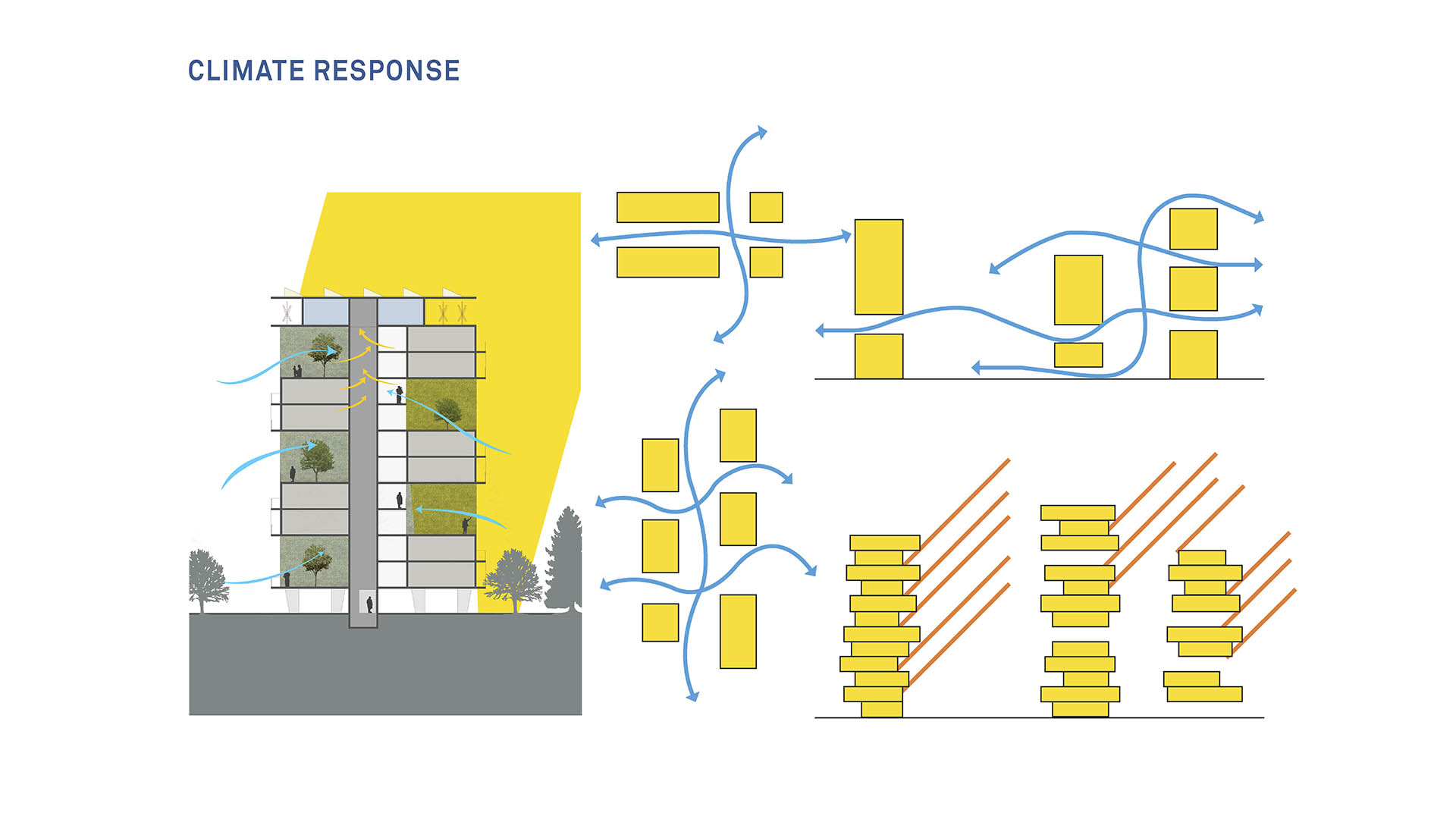
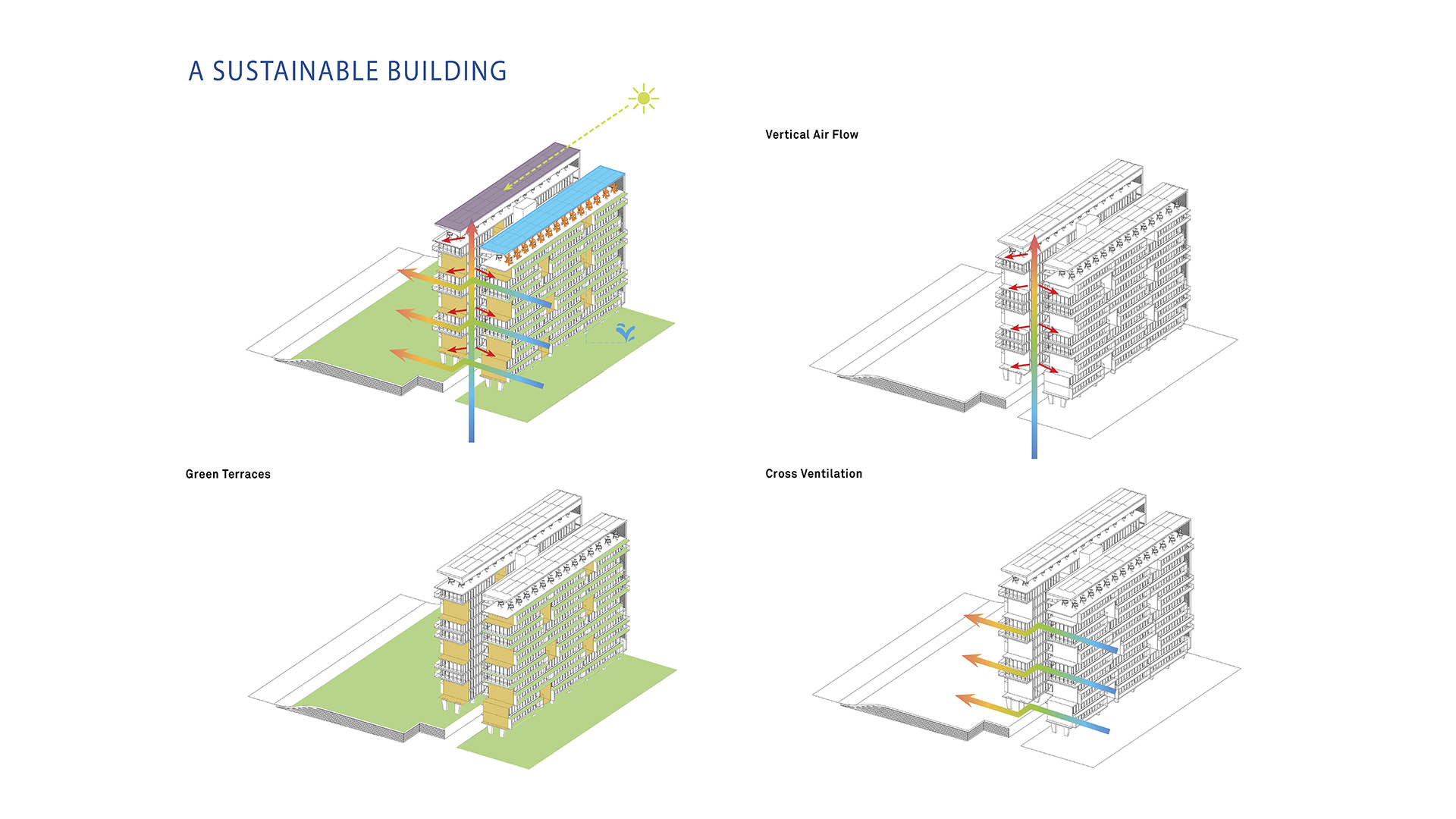

At the crossroads of ecology and community, this master plan synergizes a unique blend of spaces that support active lifestyles and foster innovation and creativity. Tata Eco City Master Plan was been developed layer by layer, using a set of strategic design interventions to help ensure that the delicate balance between nature and the built environment is protected and enhanced. Based on principles of sustainability, the public realm is woven into the built environment to provide a lifestyle that promotes a healthy “live-learn-play” balance. Drawing nature and surrounding landscape into the public realm, the plan creates a series of neighborhoods for phased and flexible development, structured around a nine-hole golf course and driving range.
The golf course forms the central open space of the community while opening up to the two existing water bodies and quarry to the south. A pedestrian, jogging, and bicycling network is interwoven with this central open space to provide site-wide connectivity, while an athletic complex and international school is at the heart of the community, and commercial and hotel parcels act as the northern gateway.
Cross Creek Ranch
As urban areas expand, degraded lands robbed of natural resilience and biodiversity often lie in development’s path—presenting both challenges and opportunities. The Flewellen Creek Restoration project transforms a derelict 130-acre ranching ditch into a vibrant 3-mile ecosystem, anchoring the new 3,200-acre Cross Creek Ranch community.
Rooted in ...
Hennepin Avenue
Hennepin Avenue is the oldest street in Downtown Minneapolis, and has gone through multiple transformations over time. The street is undergoing a major reconstruction, and SWA is leading the effort to enhance the character of Hennepin for years to come. The conceptual approach was developed through a robust public engagement process, and touches on the three m...
Nanchang Xiangnan Urban Infill
Situated in the capital city of Jiangxi Province, which is known for its rich cultural and ecological resources, the Nanchang Urban Infill project strives to weave two new districts into the historical heart of the city. To the west, a tower and mall create a modern icon for Nanchang. Here, the landscape reinforces the architectural design through a fluid, con...
San Diego Embarcadero
The redevelopment plan for the waterfront and port facilities adjacent to downtown San Diego included translating community and economic requirements into a specific planning program. Emphasis was placed on urban design, circulation and parking, landscaping, environmental planning, and engineering considerations with a set of comprehensive implementation guide...