


“The cultural significance of the park—stretching over Interstate 35E, reconnecting neighborhoods in Oak Cliff that had been physically and economically separated for decades—cannot be overstated. This park has the potential to change Dallas for the better … Halperin Park represents Dallas at its best.”
– Dallas Morning News Editorial Board
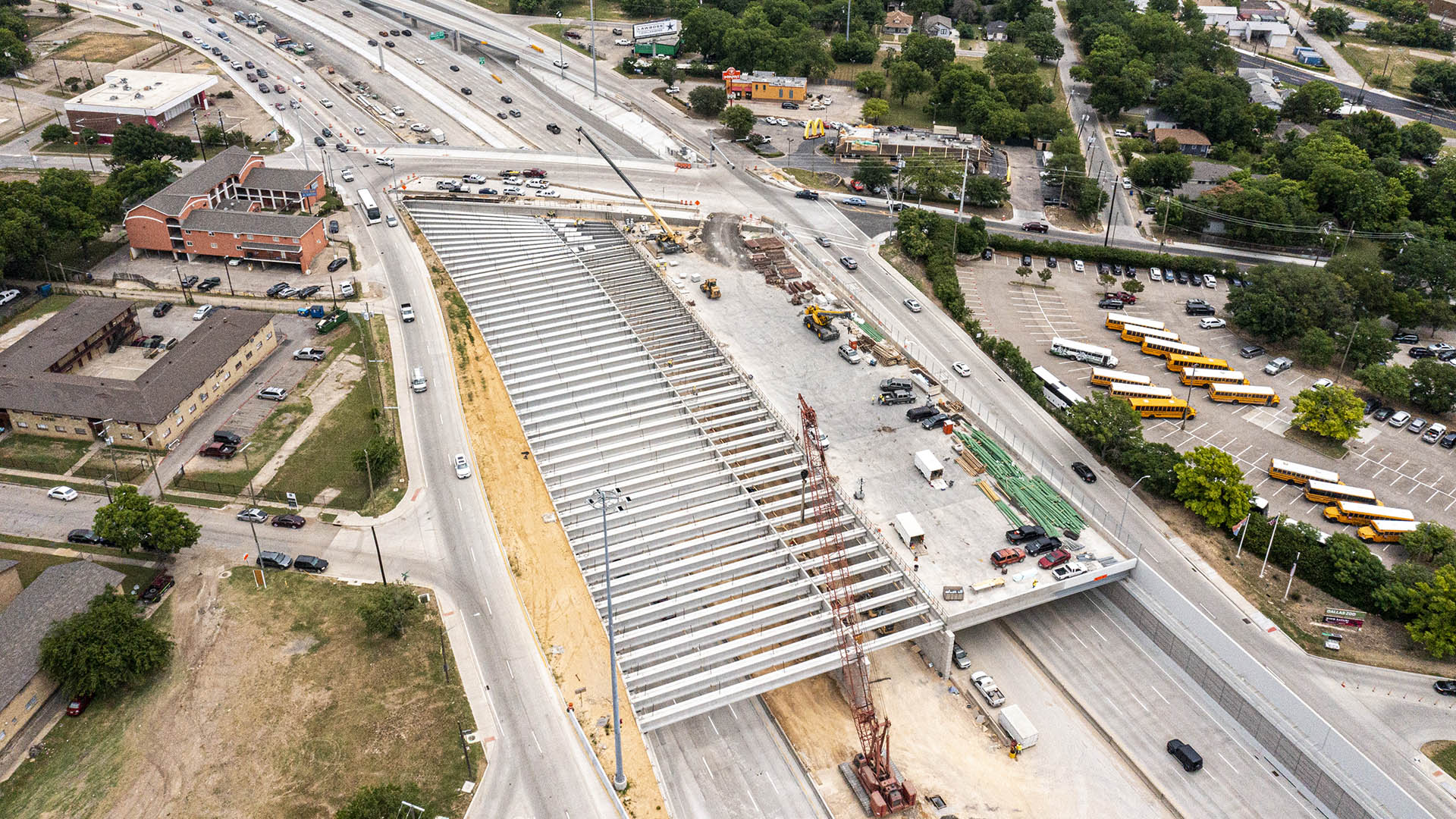
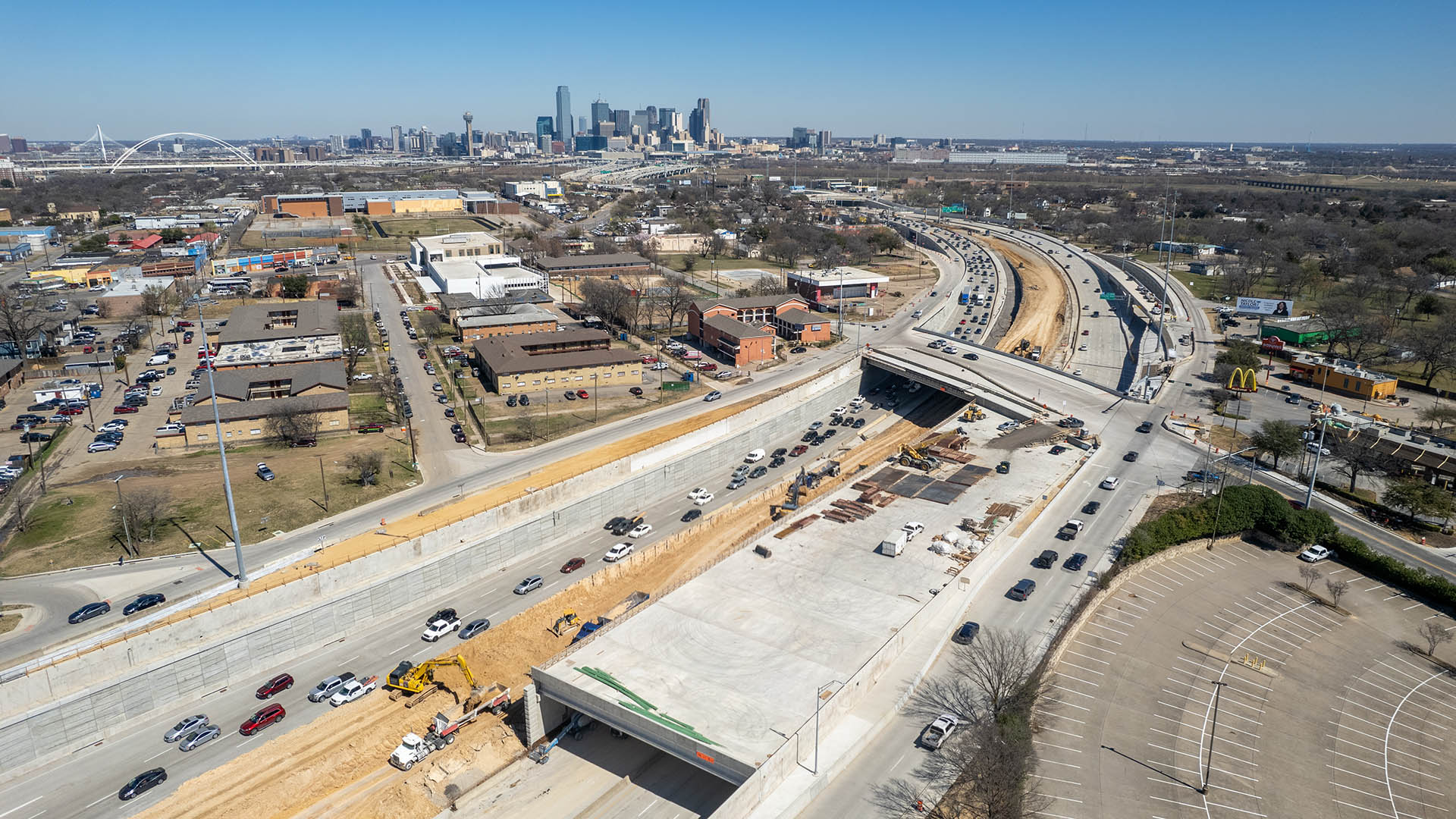
In the 1950s, I-35E was routed through the South Dallas community of Oak Cliff, demolishing a thriving Black commercial corridor and one of the first Freedmen’s towns established after the Civil War. In the decades that followed, as in so many cities across the U.S., freeway construction severed long-standing social and economic ties and set in motion decades of disinvestment.
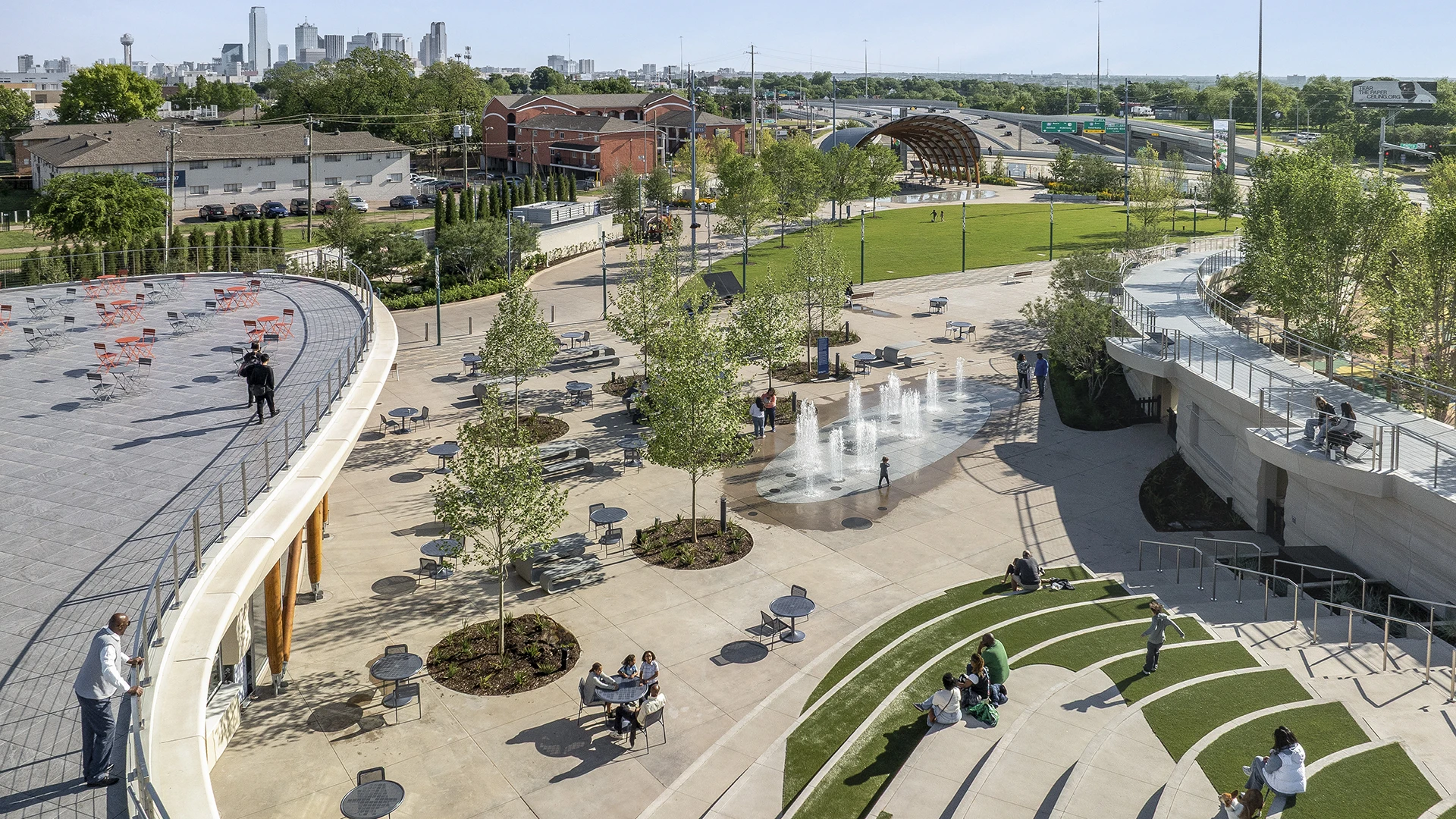
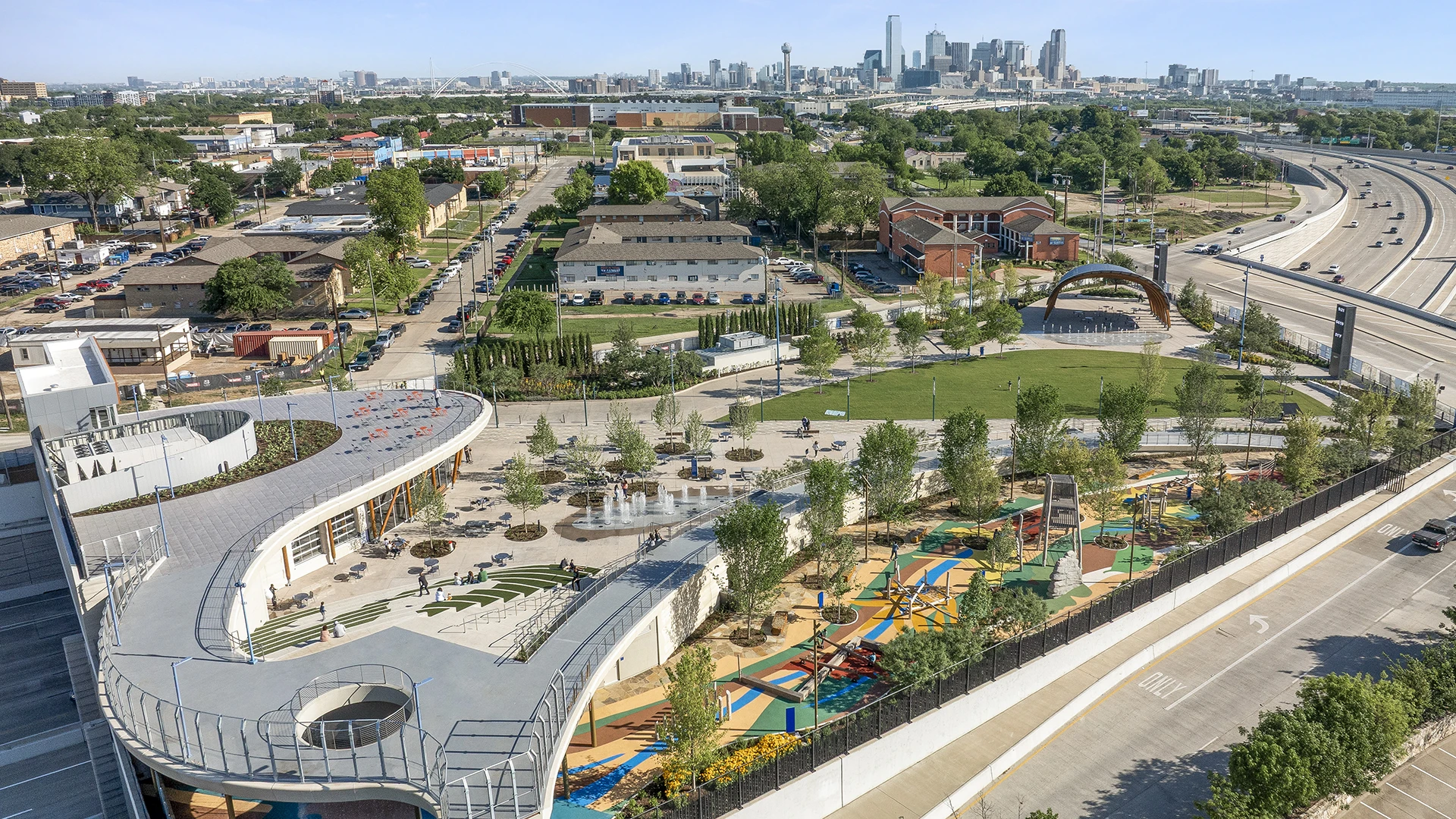
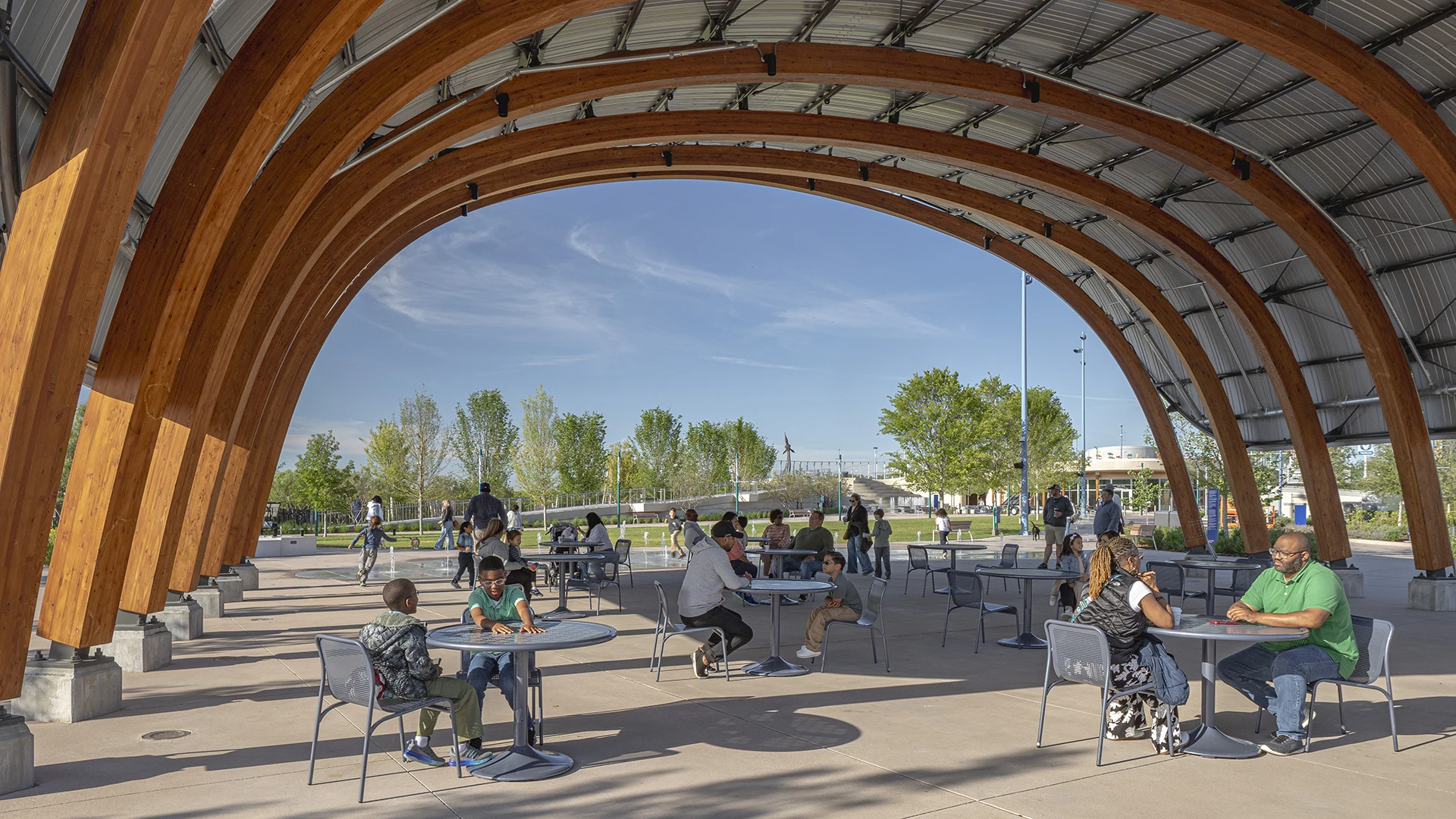
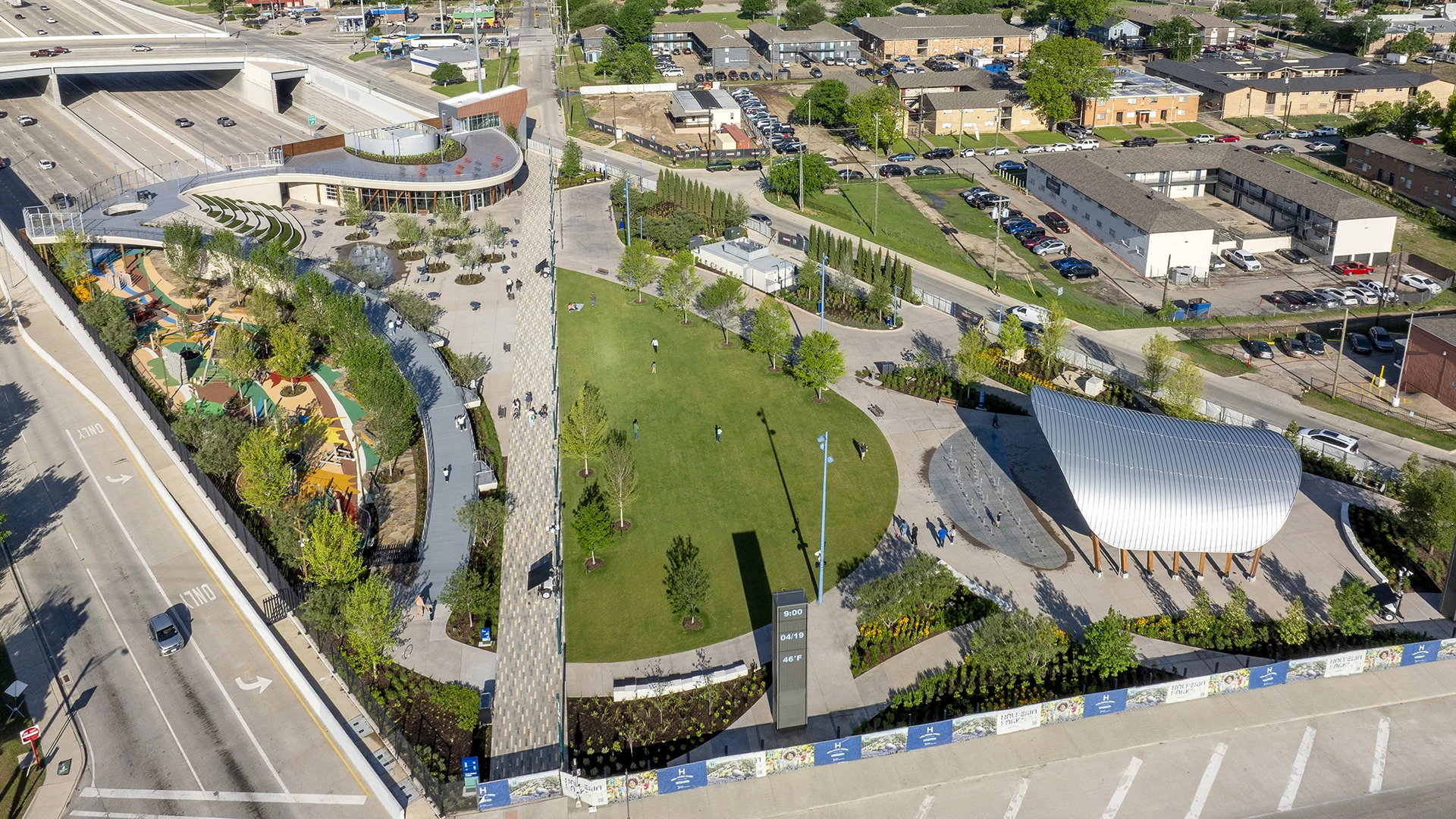
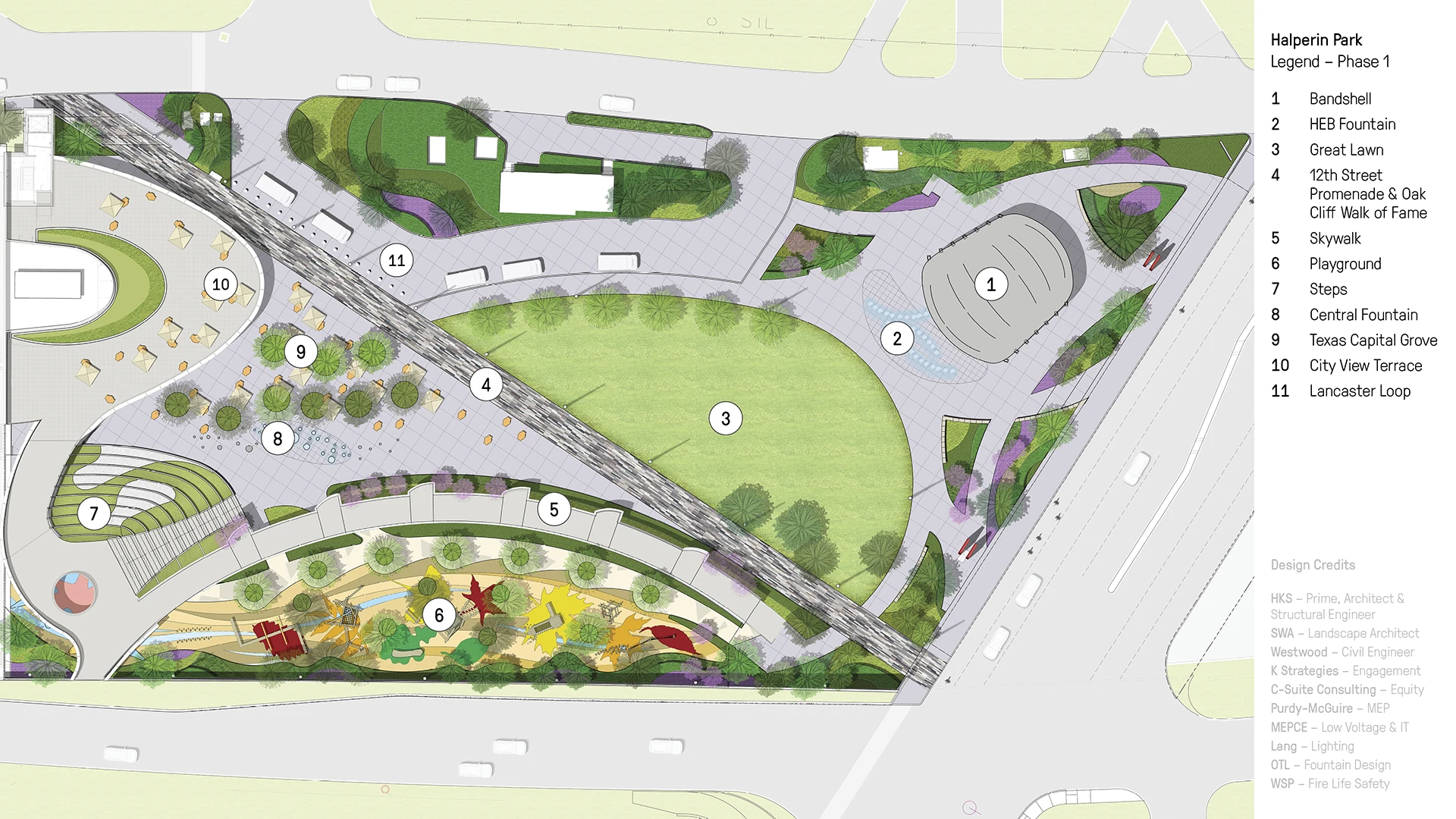
Halperin Park, opened in 2026 after nearly a decade of advocacy and engagement, begins to repair the divide, spanning the highway between Ewing and Marsalis Avenues and restoring a walkable connection along the original path of 12th Street. Designed by SWA and HKS, the park translates Oak Cliff’s cultural and environmental history into built form, with sculptural landforms recalling the limestone and shale geology beneath the neighborhood, shaping subtle grade changes that guide movement and frame views toward the downtown skyline.
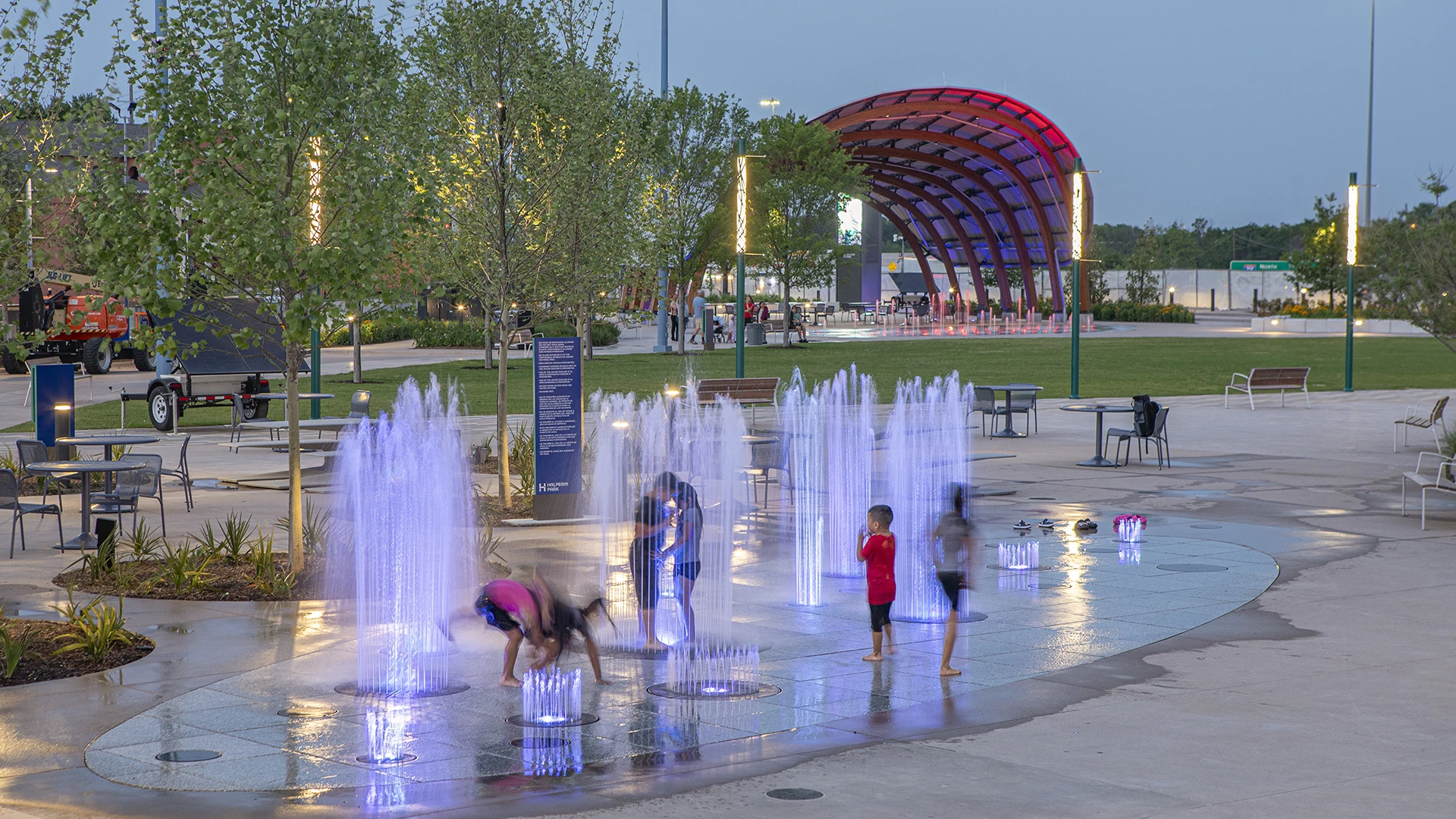
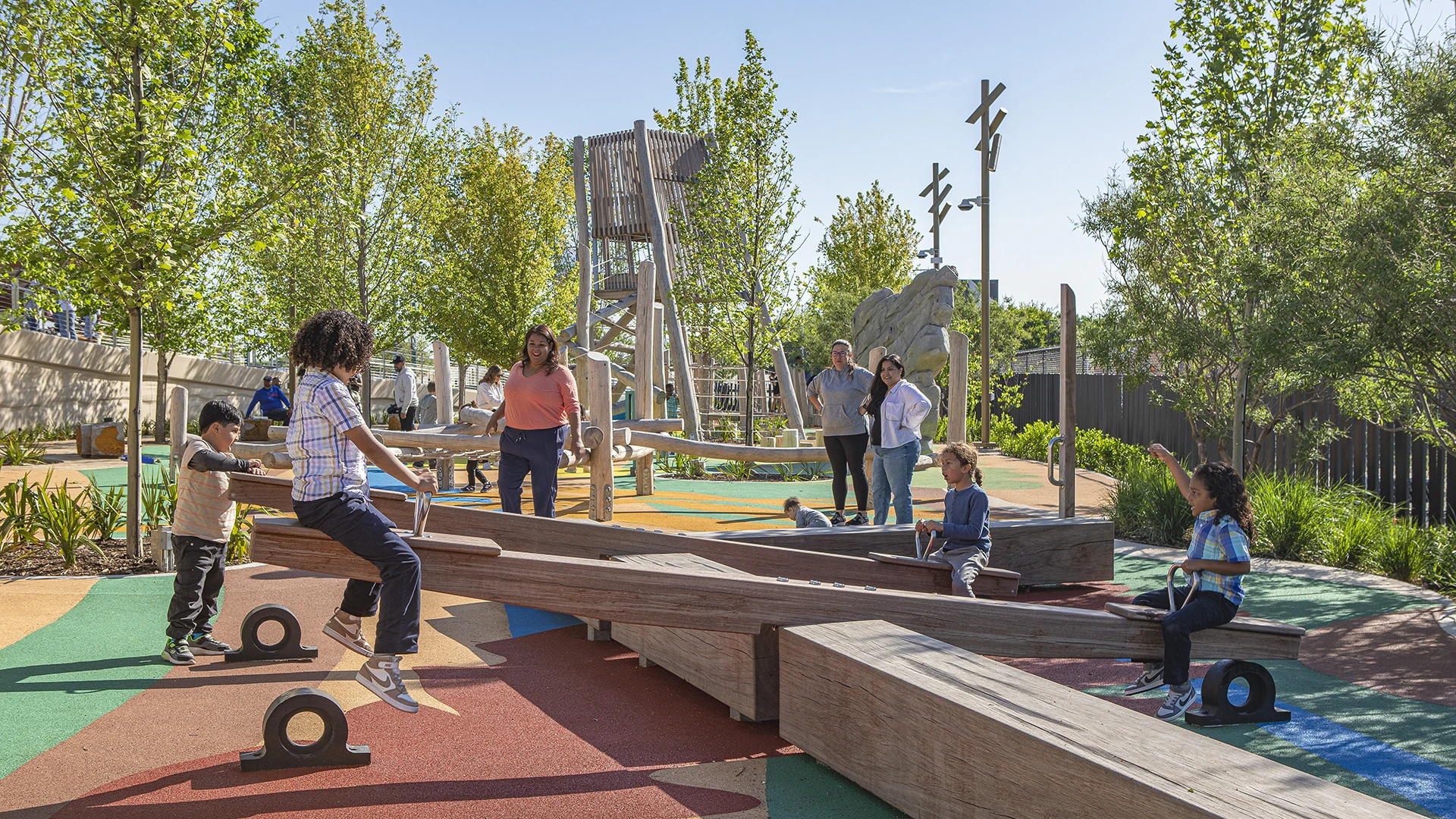
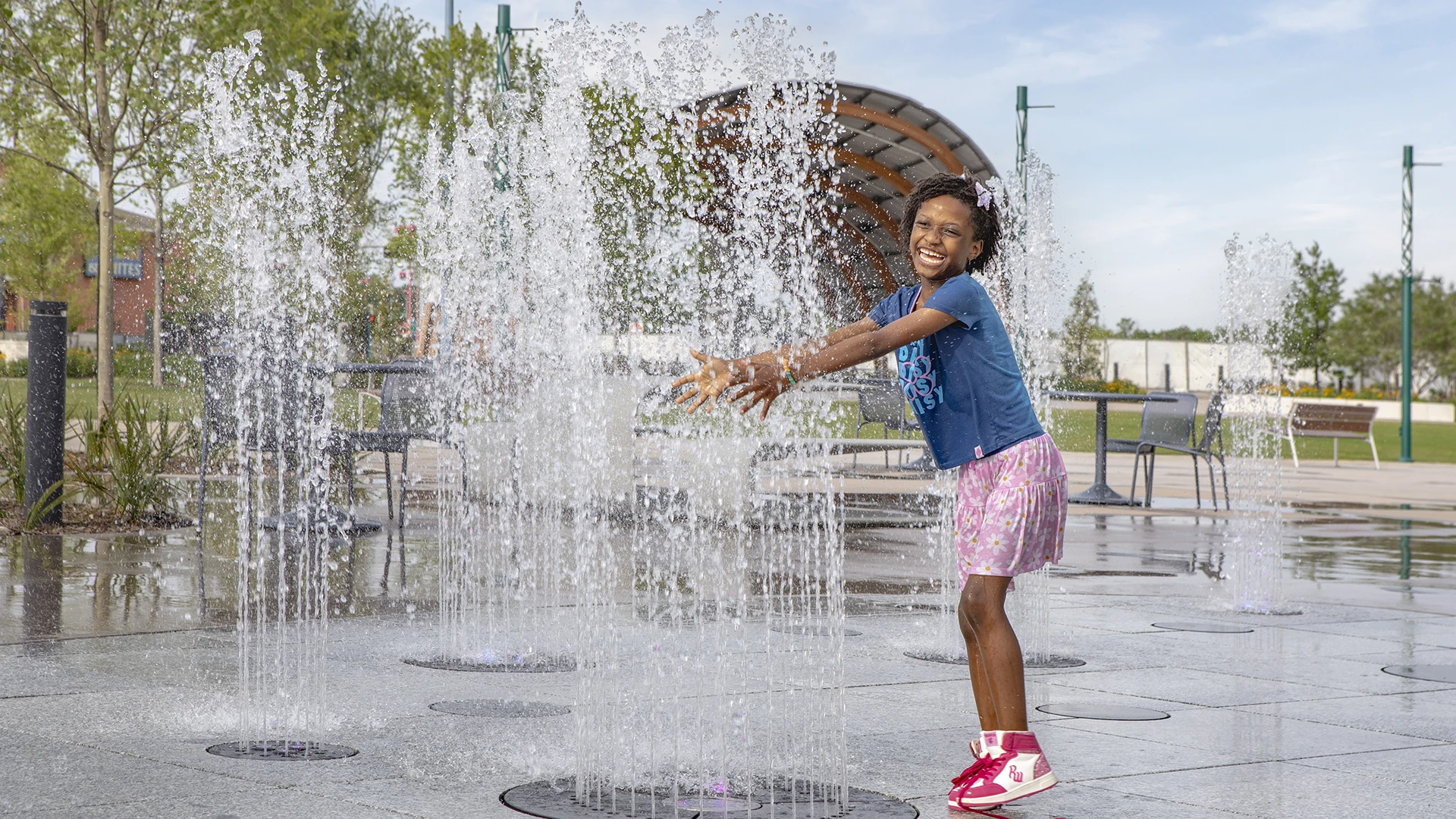
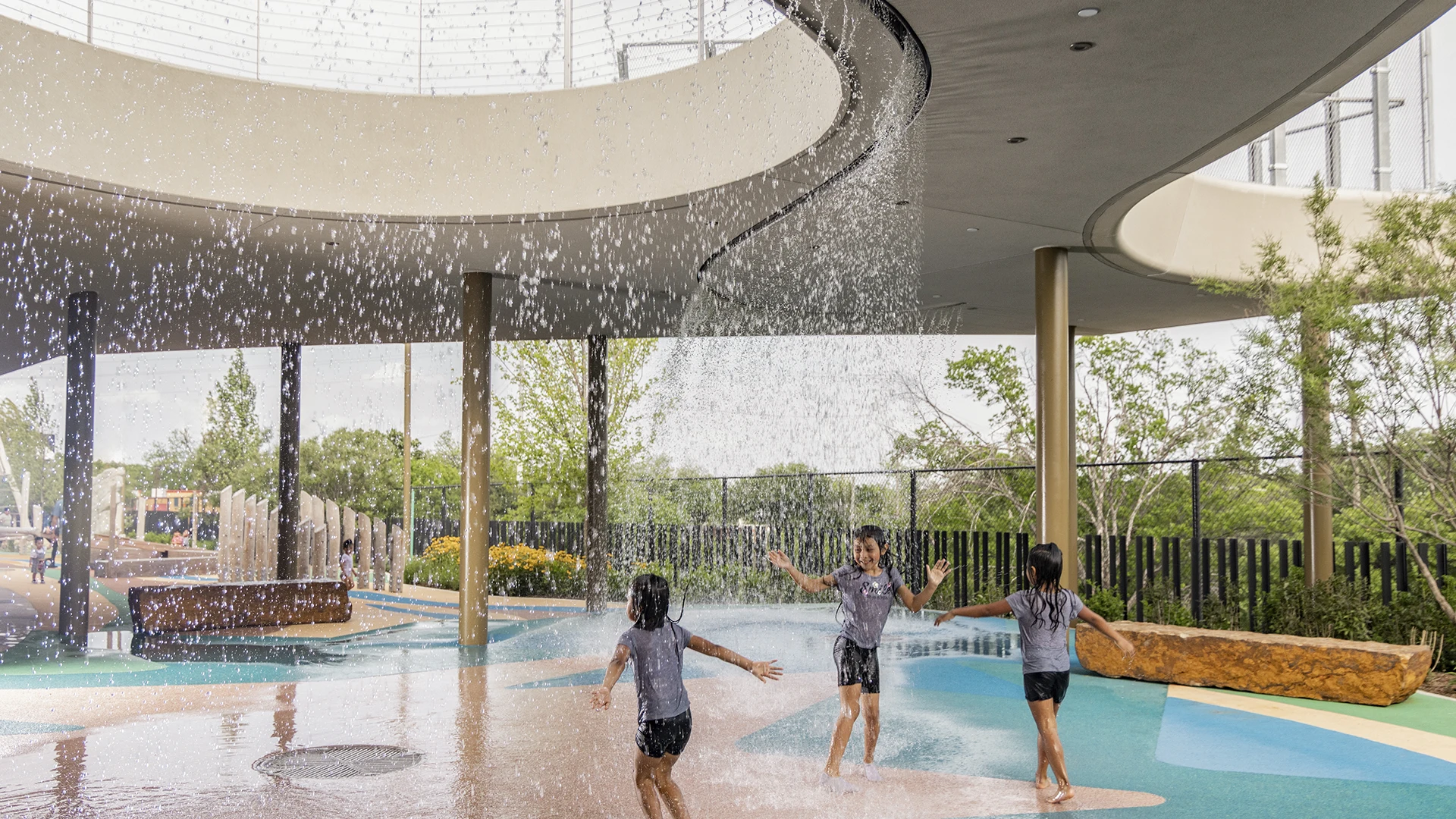
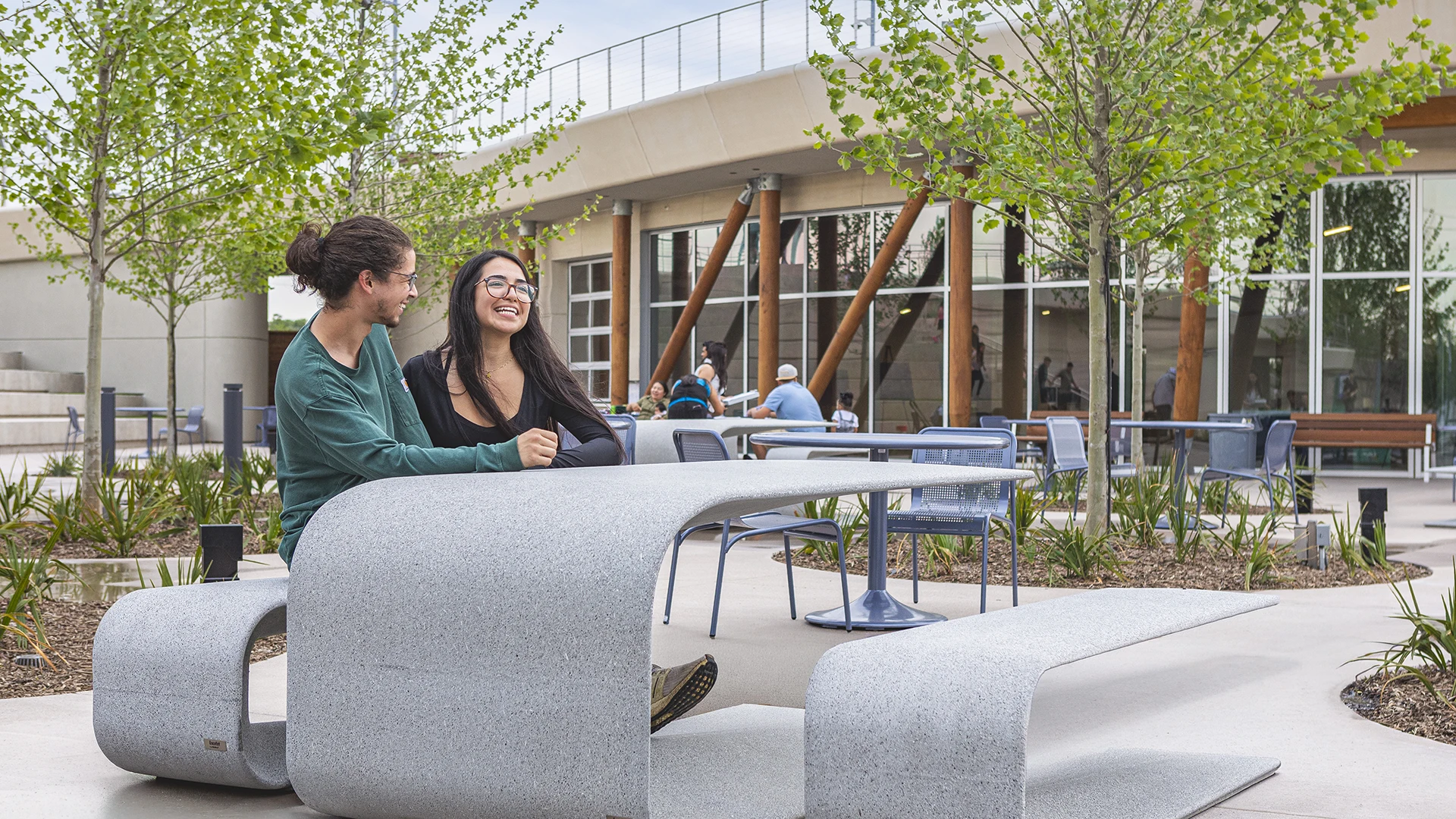
Across the deck, a sequence of public spaces includes a walkable promenade and Oak Cliff Walk of Fame along the original path of 12th Street, mass-timber bandshell and multipurpose pavilion, flexible great lawn, treehouse-inspired playground, perennial gardens, shaded seating, and two water features that extend comfort through North Texas summers. Opened amid a nationwide reckoning with the damage caused by midcentury highway construction, Halperin Park is rooted in Oak Cliff history while joining a broader effort to reclaim freeway infrastructure as public ground.
Fernwood Avenue Park
The Fernwood Avenue Park represents a significant opportunity for the city to enhance the water quality and availability of groundwater for residents, while also offering public amenities. Equipped with four detention basins that capture water onsite and from the street, the project plays an important role in the community as a stormwater infiltration site. Th...
Wuhan Huafa Capital Park
Wuhan Huafa Capital Development is located in the city’s urban core, amidst the hustle and bustle of busy streets and neighborhoods. The nearly 57,000-square-foot green space, adjacent to the Wuhan Capital Residential Development Sales Center, is envisioned to provide an immersive landscape experience for the sales center’s model housing area during the advert...
Lynwood Mega-Playground
Inspired by the city’s rich history of aerospace research and manufacturing, Lynwood Mega-Playground brings a dynamic space exploration-themed playground to the heart of the Central Los Angeles city.
Completed in Fall 2024, the playground transforms the Northwest corner of Lynwood Park into a colorful spectacle with super-sized play features including a...
Stanford University Terman Park
The removal of an existing building adjacent to the center of Stanford’s campus provided a unique opportunity to fashion an interim park space. The project emphasizes reuse and seeks to utilize salvaged materials as well as the existing grading and fountain as key features of the park. As a multifunctional performance and recreational space, the project ...