

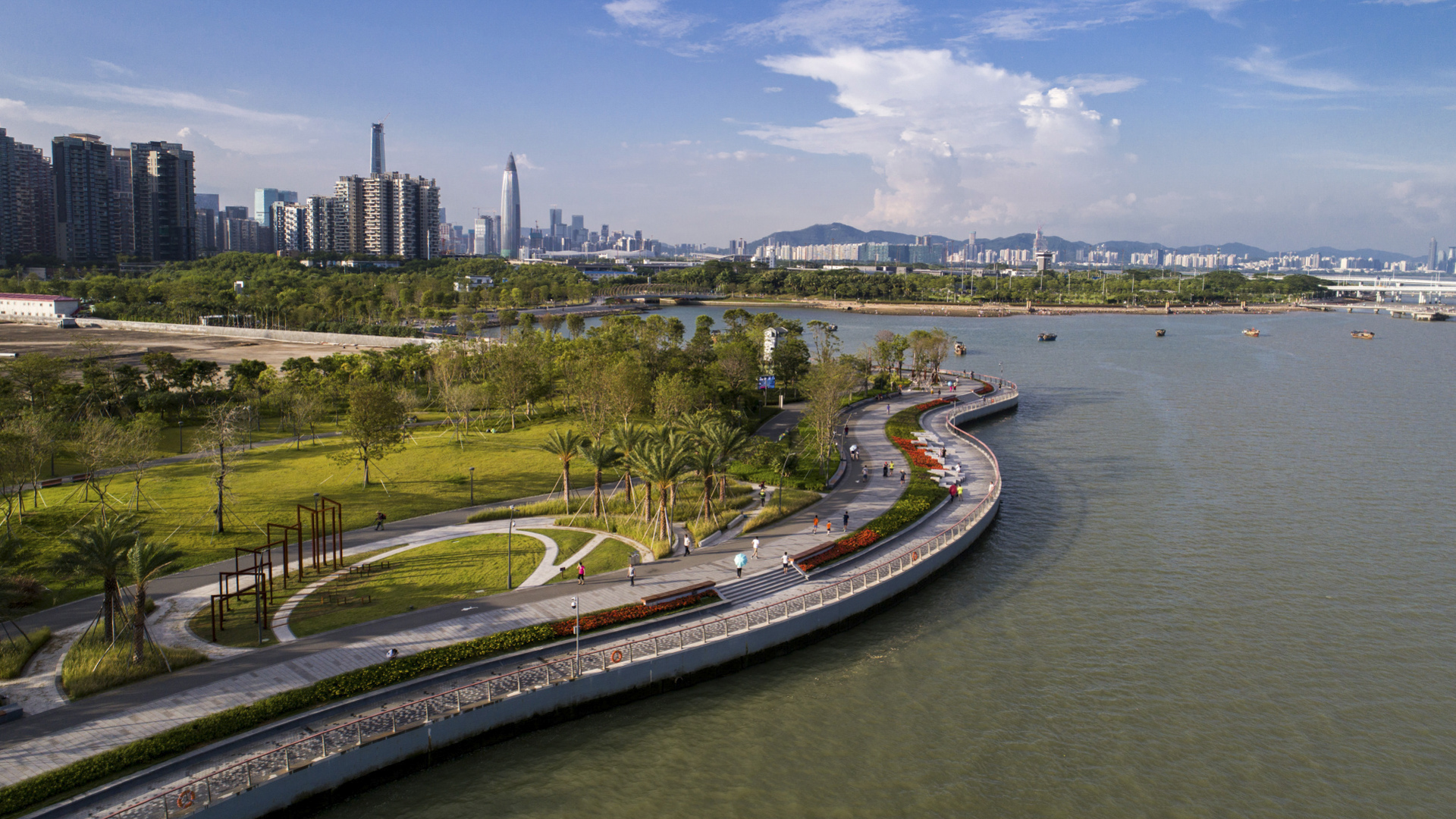
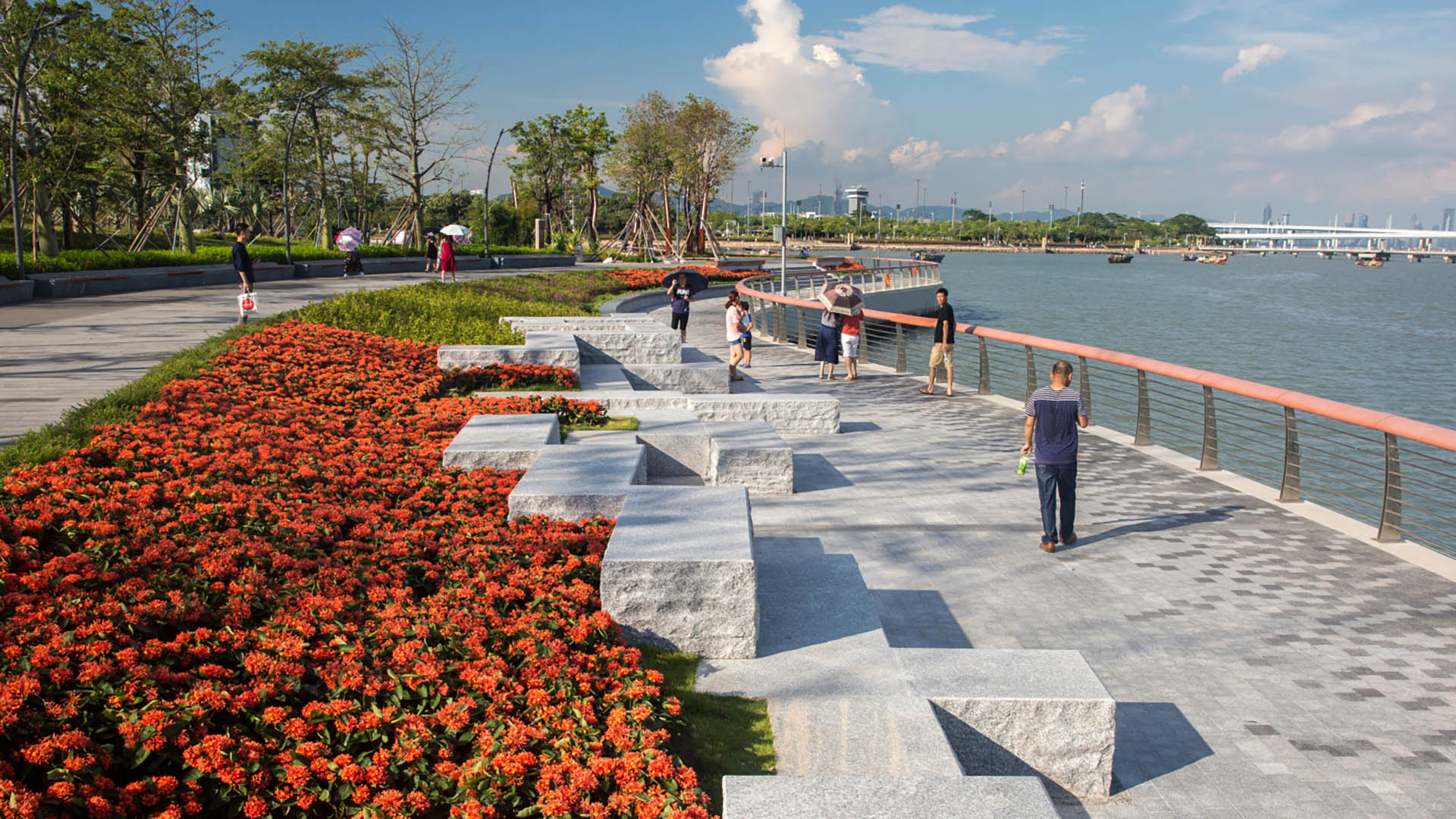
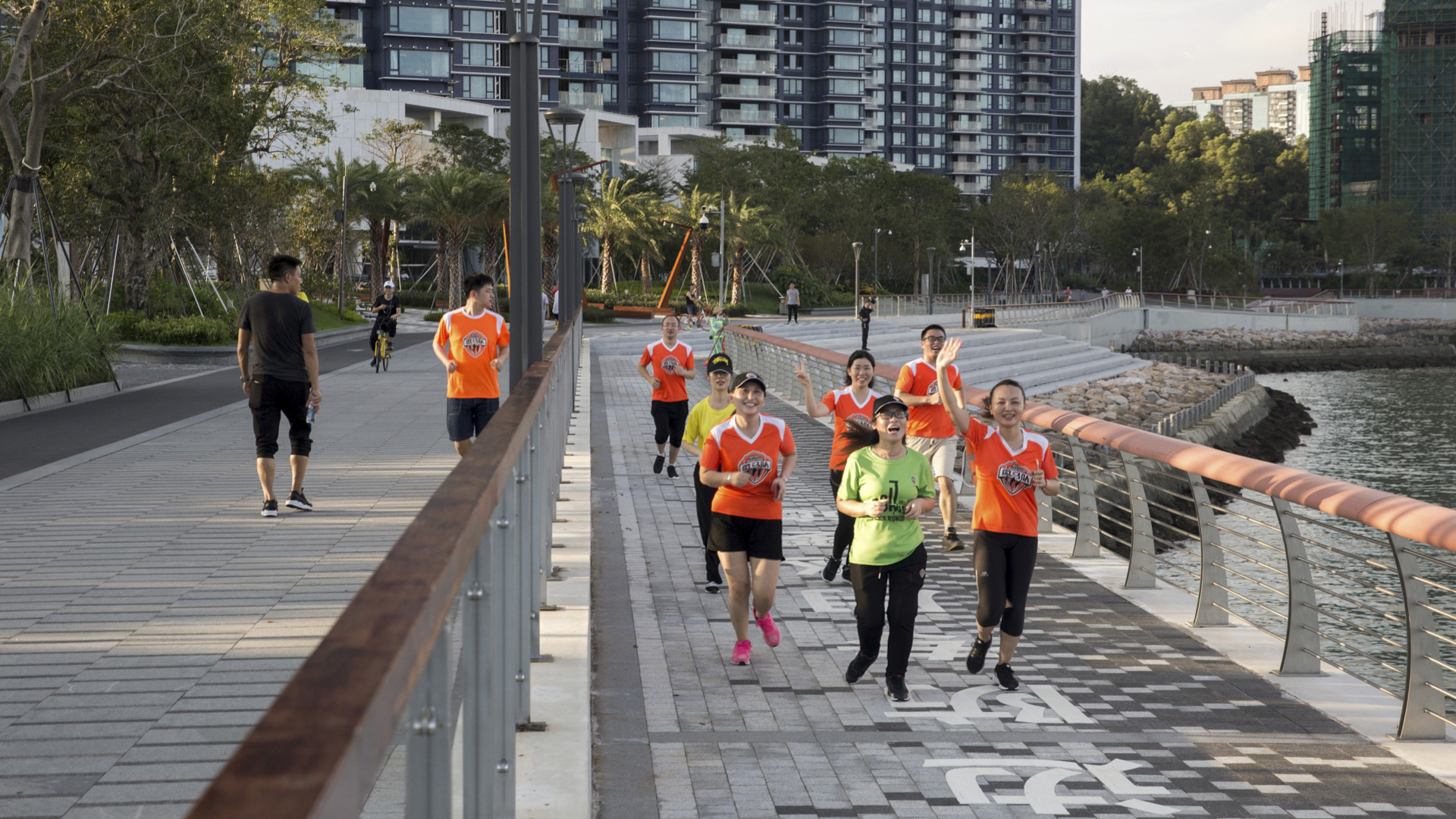
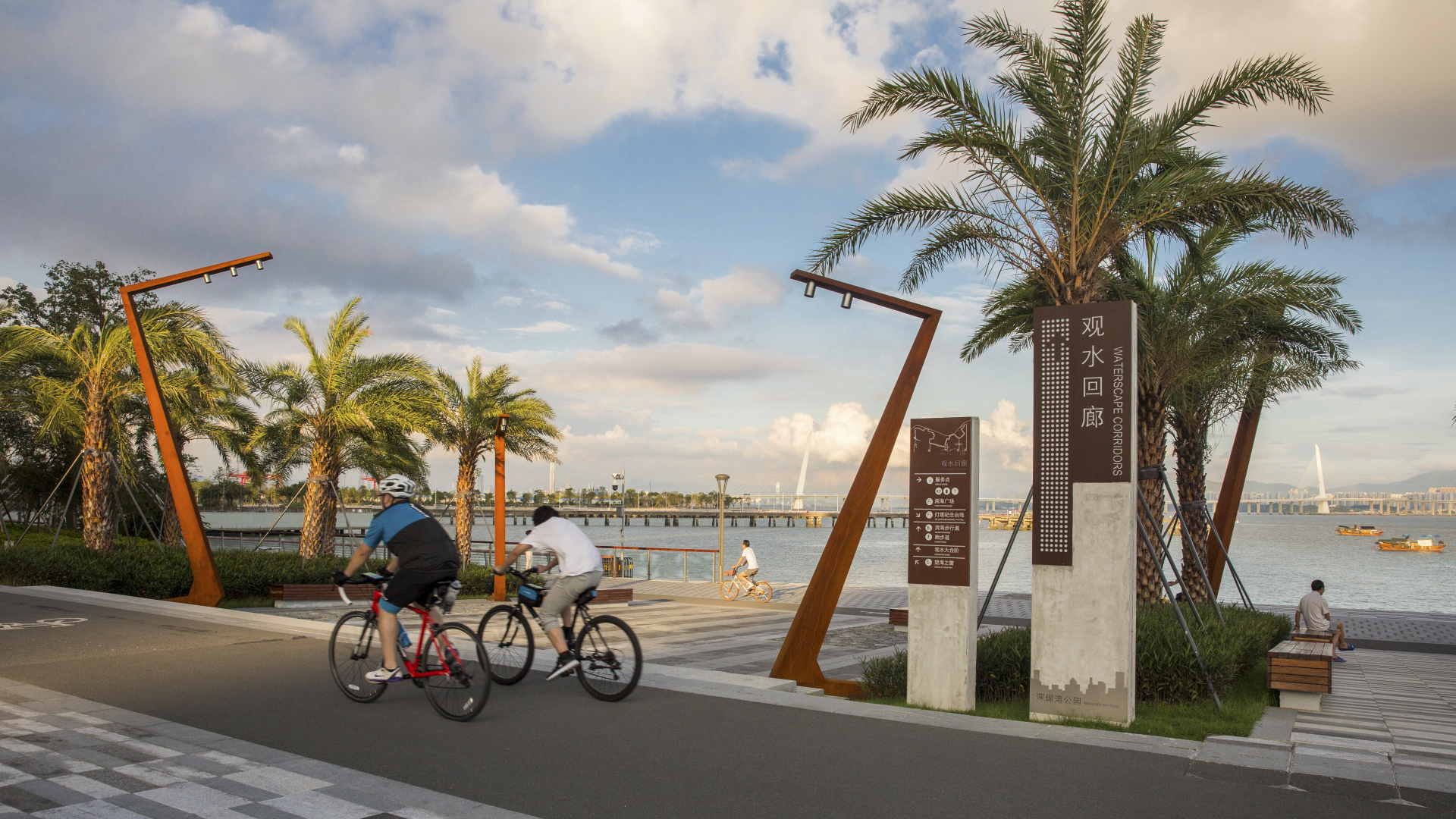
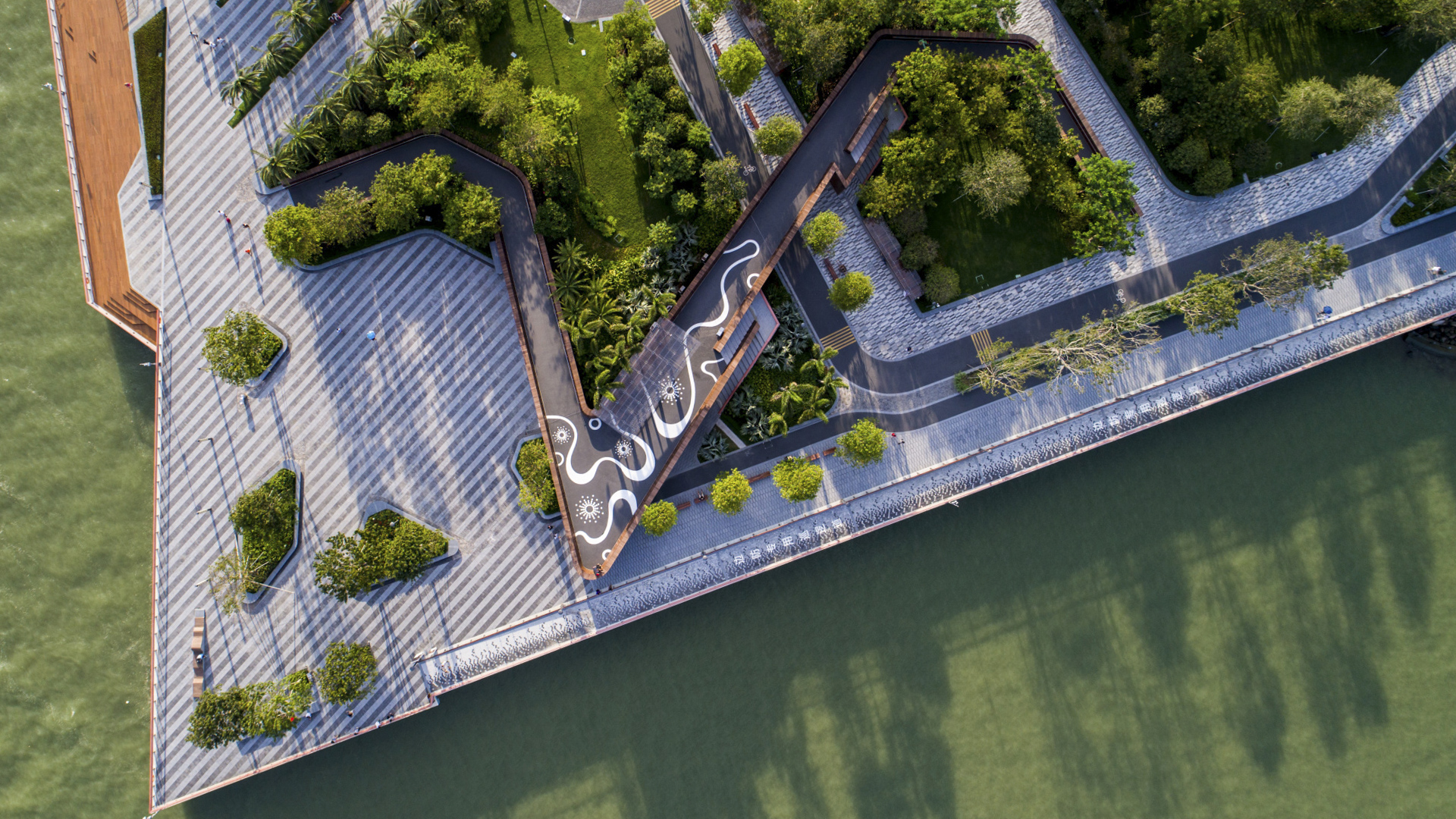
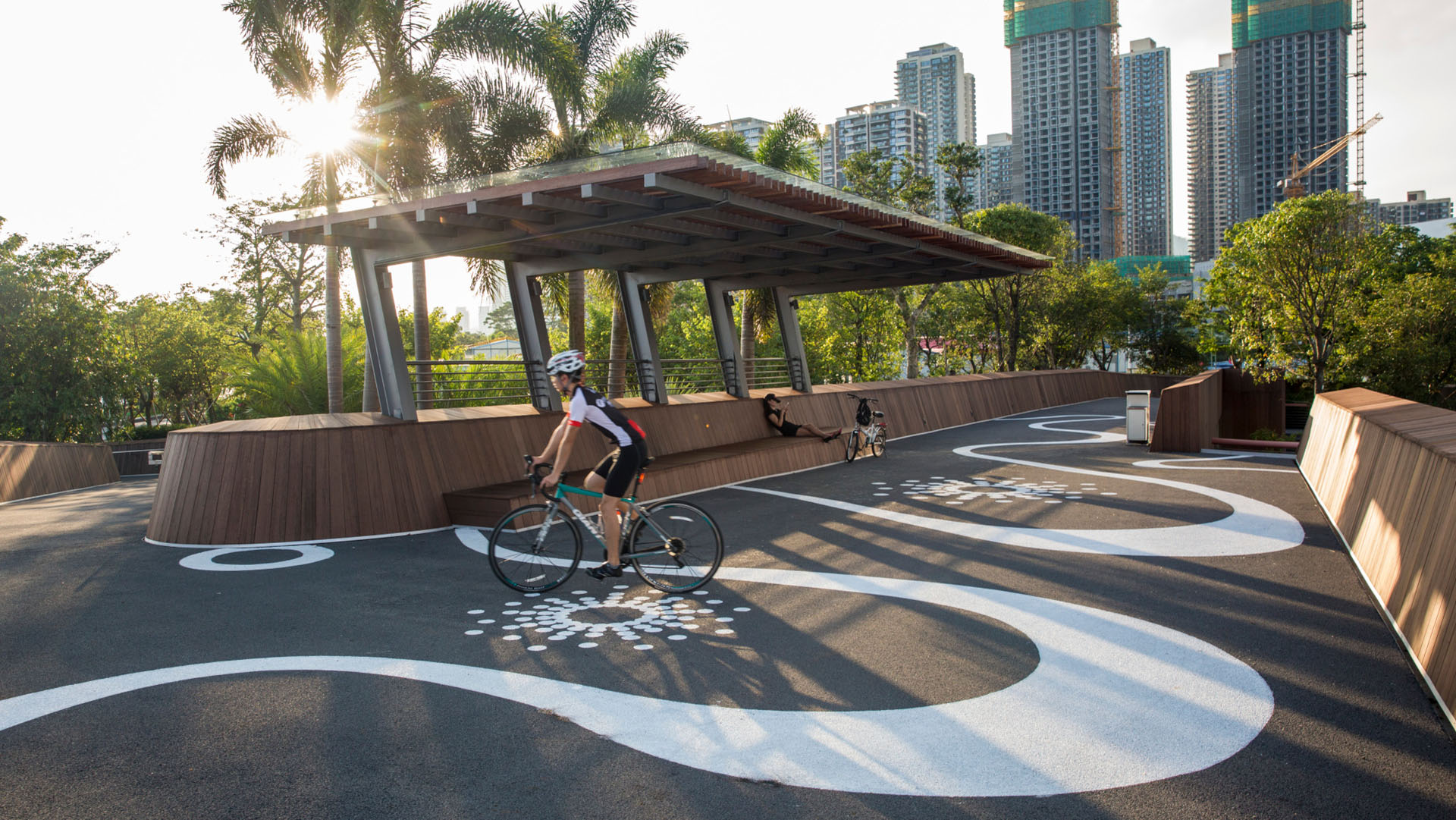
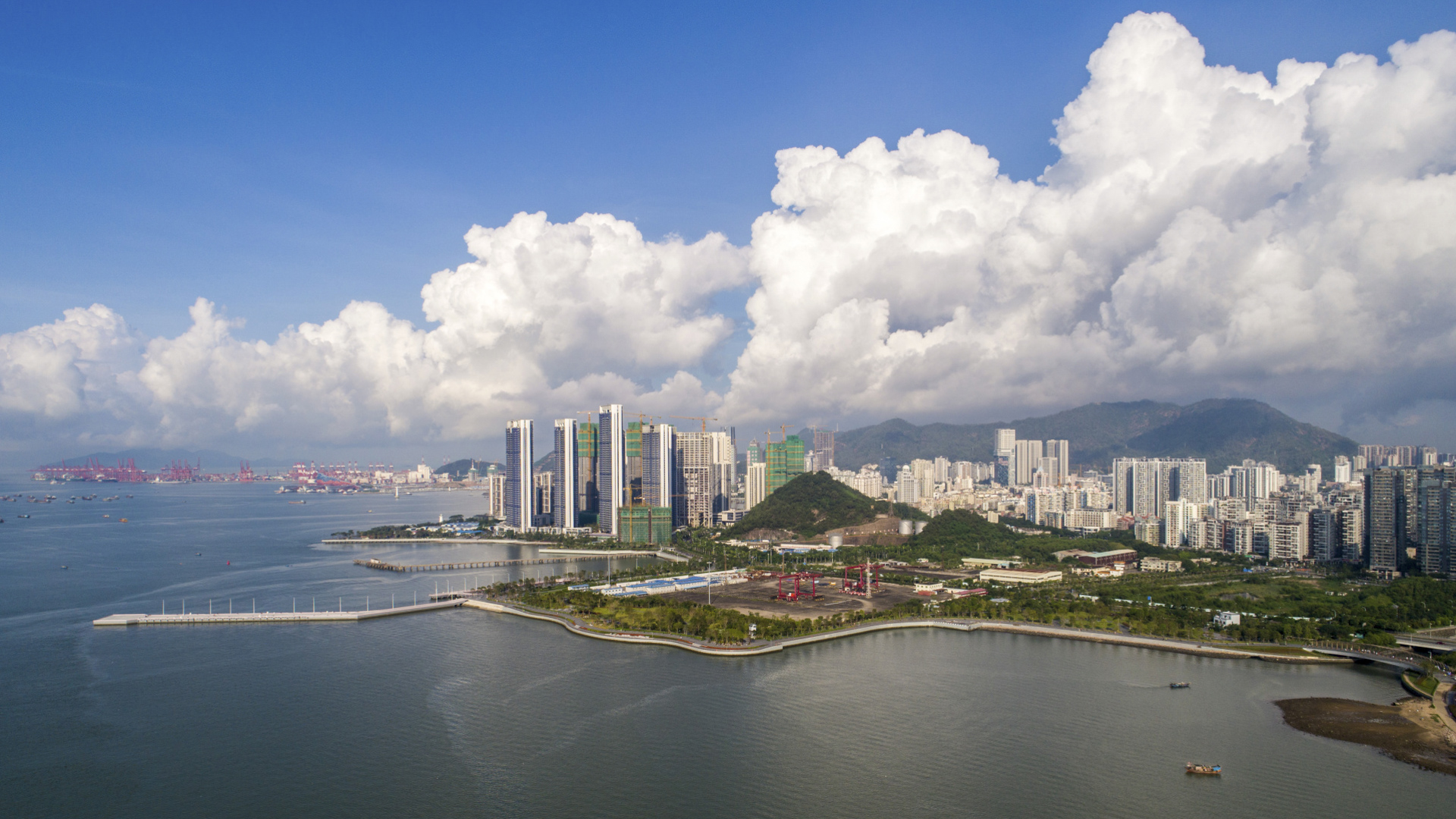
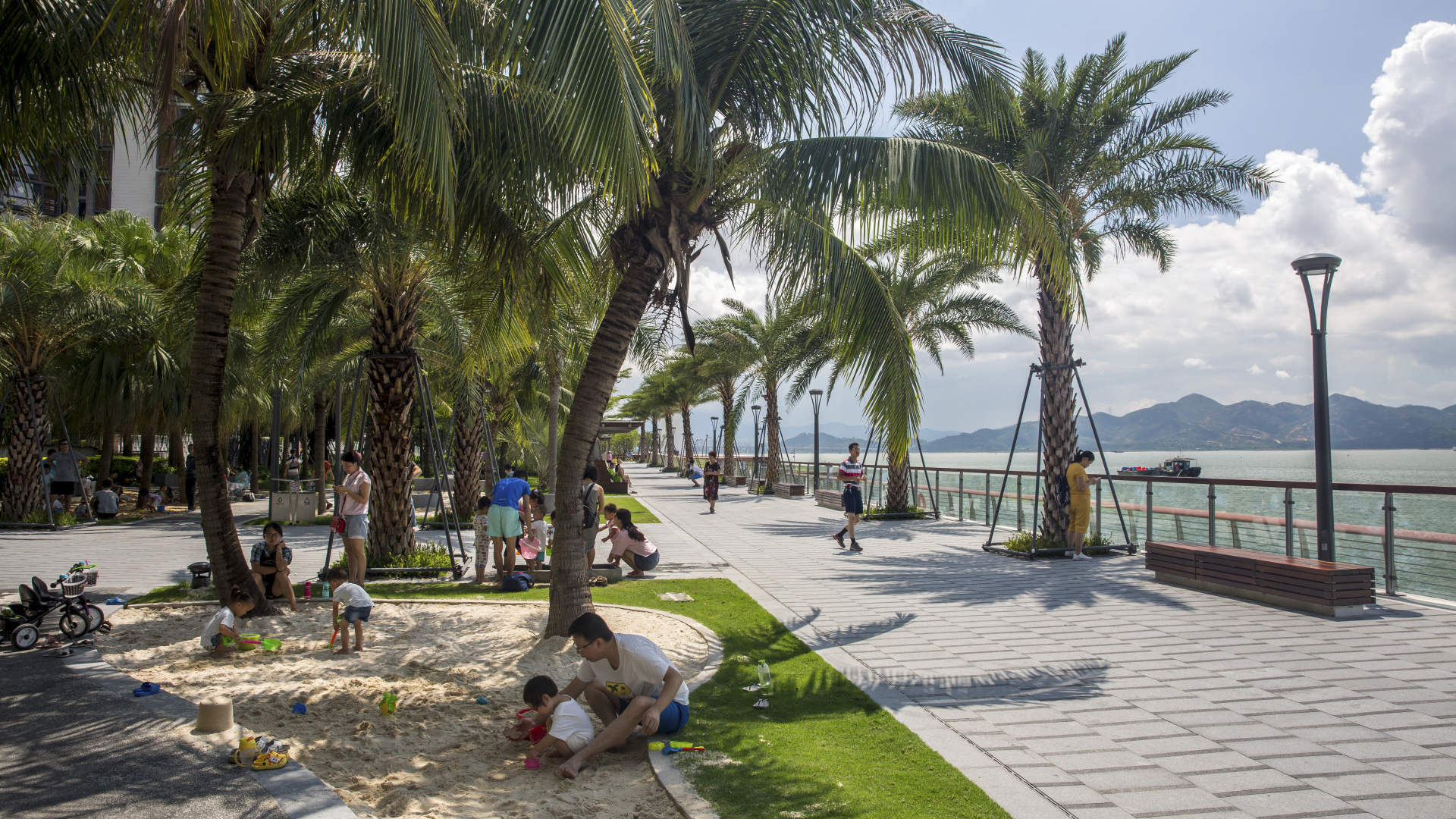
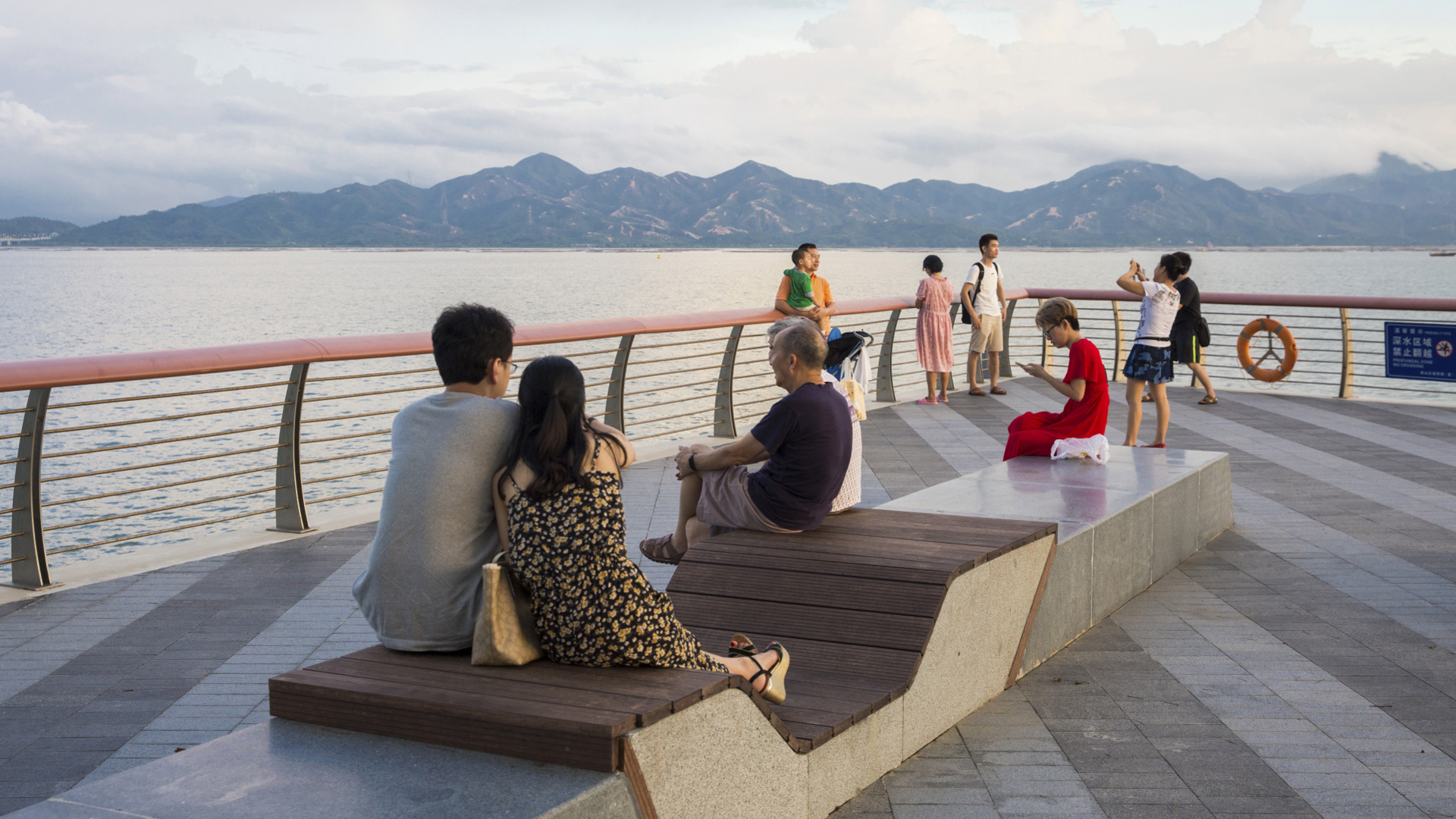
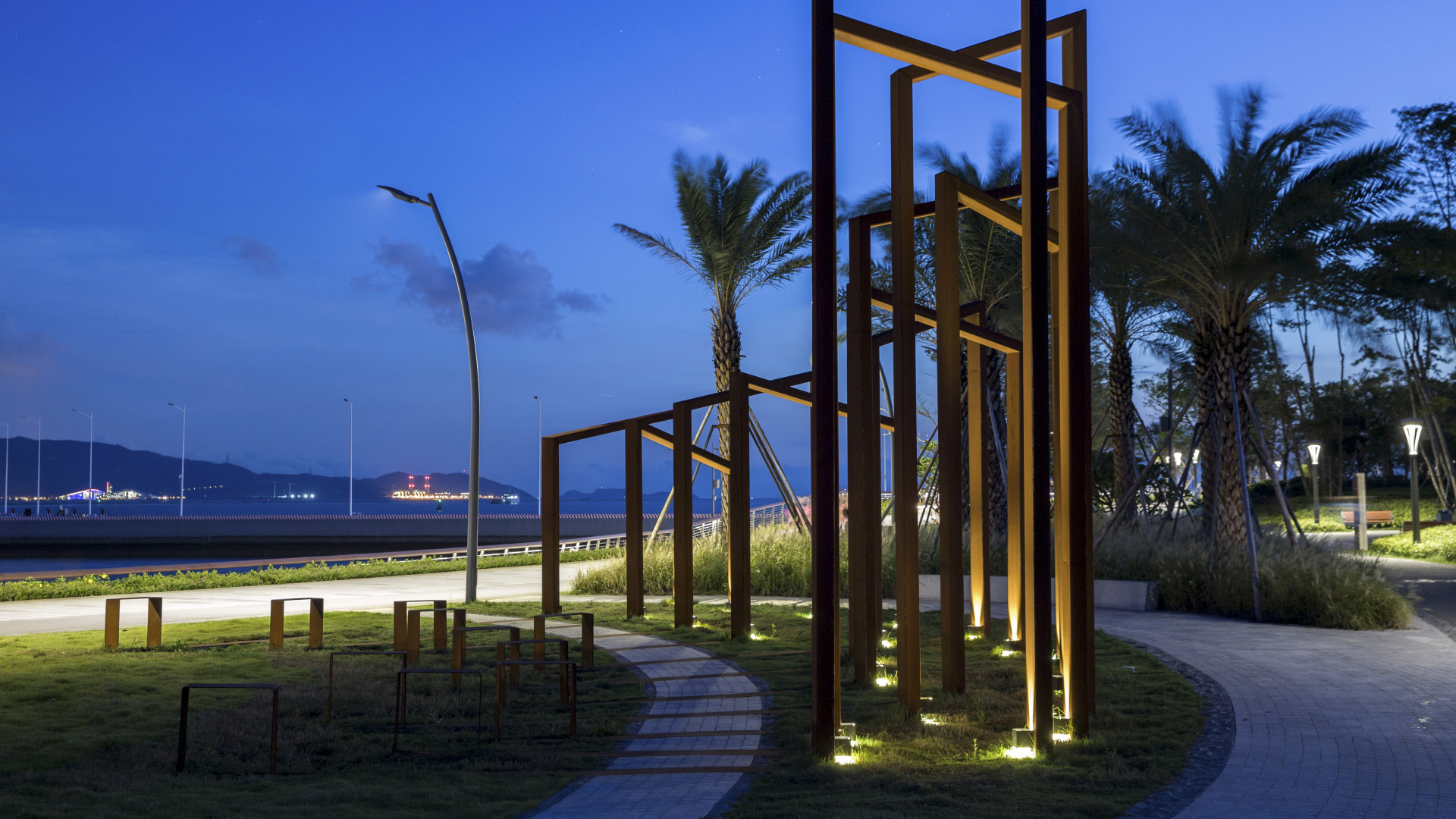
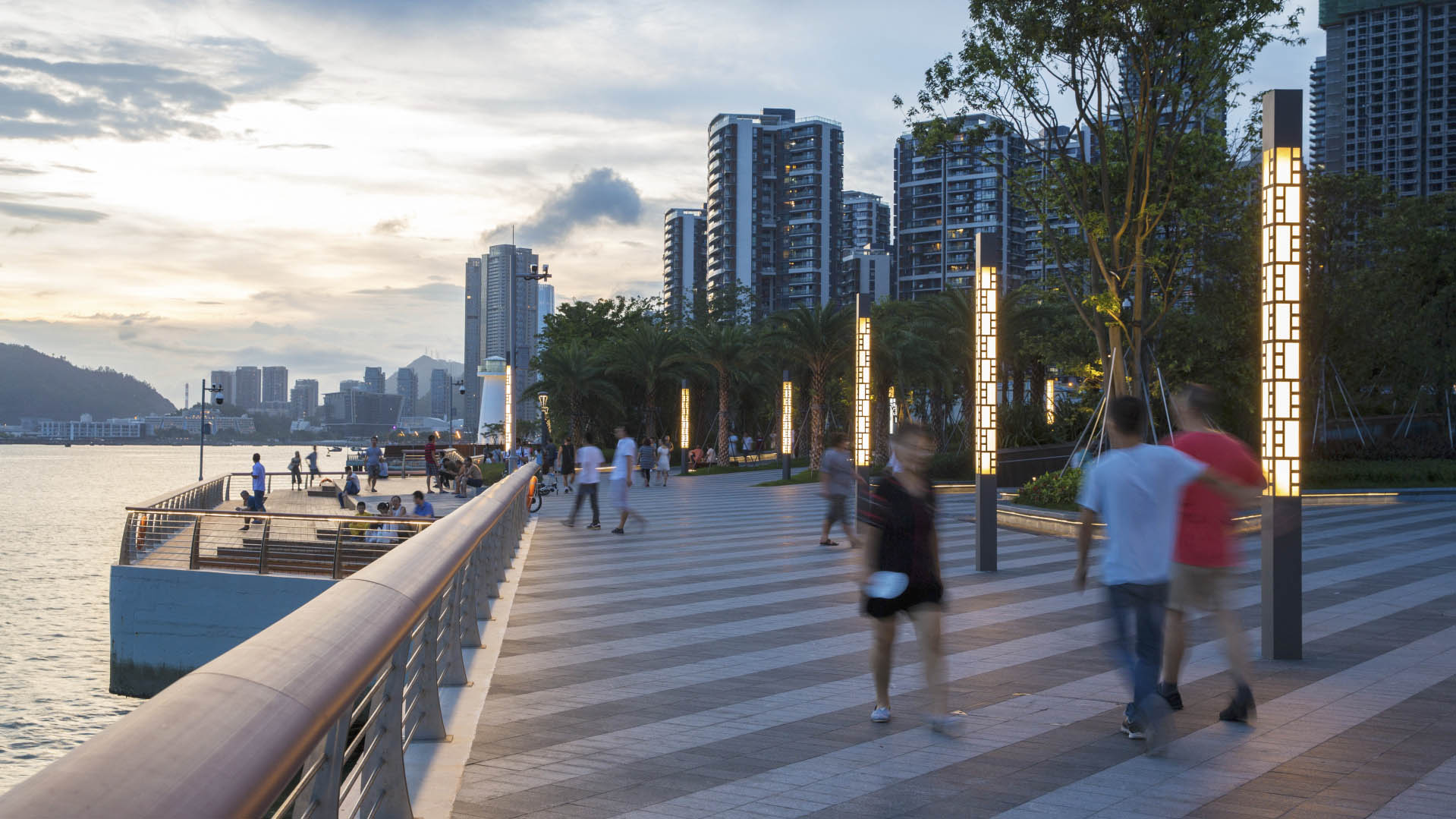

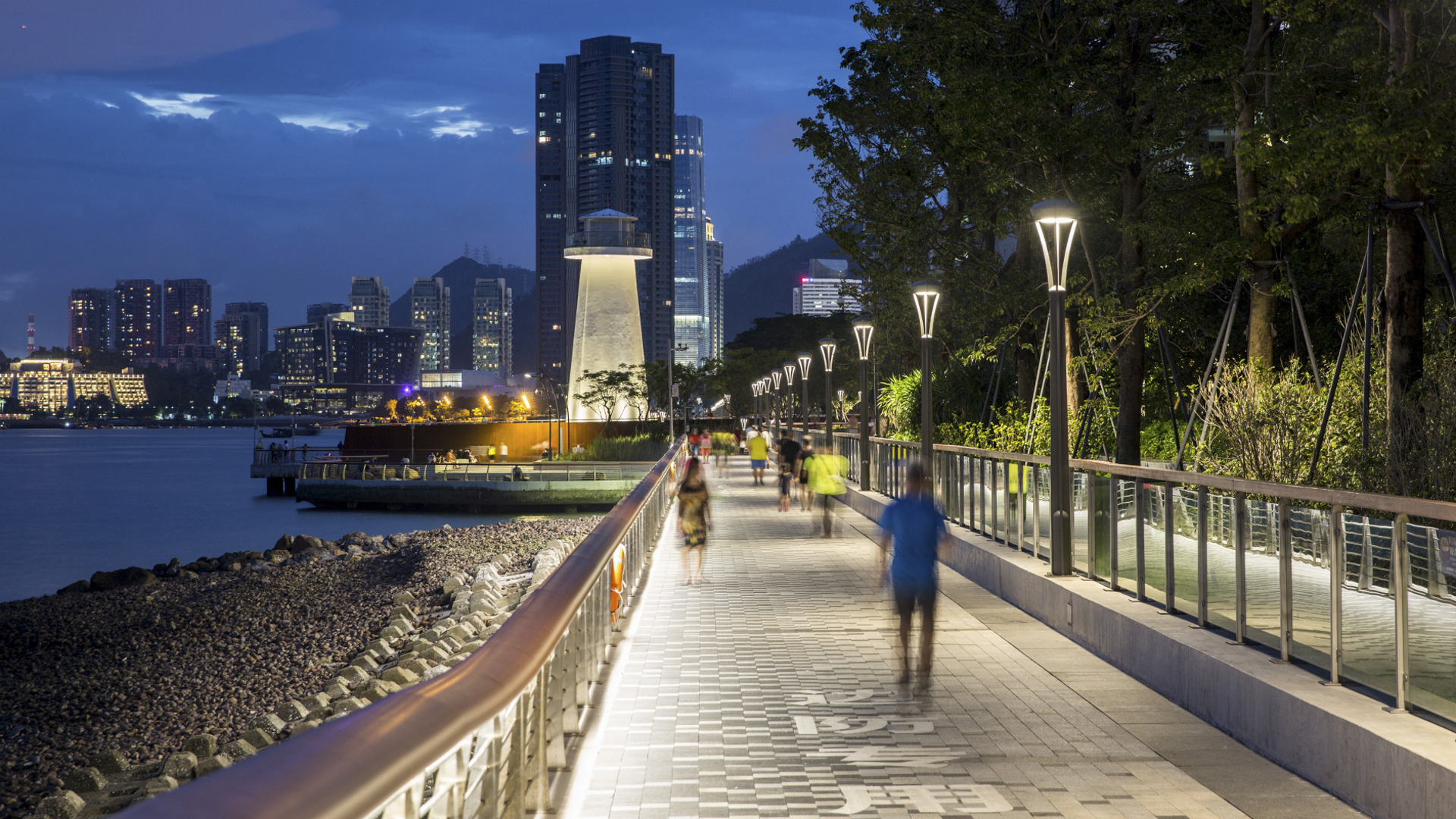
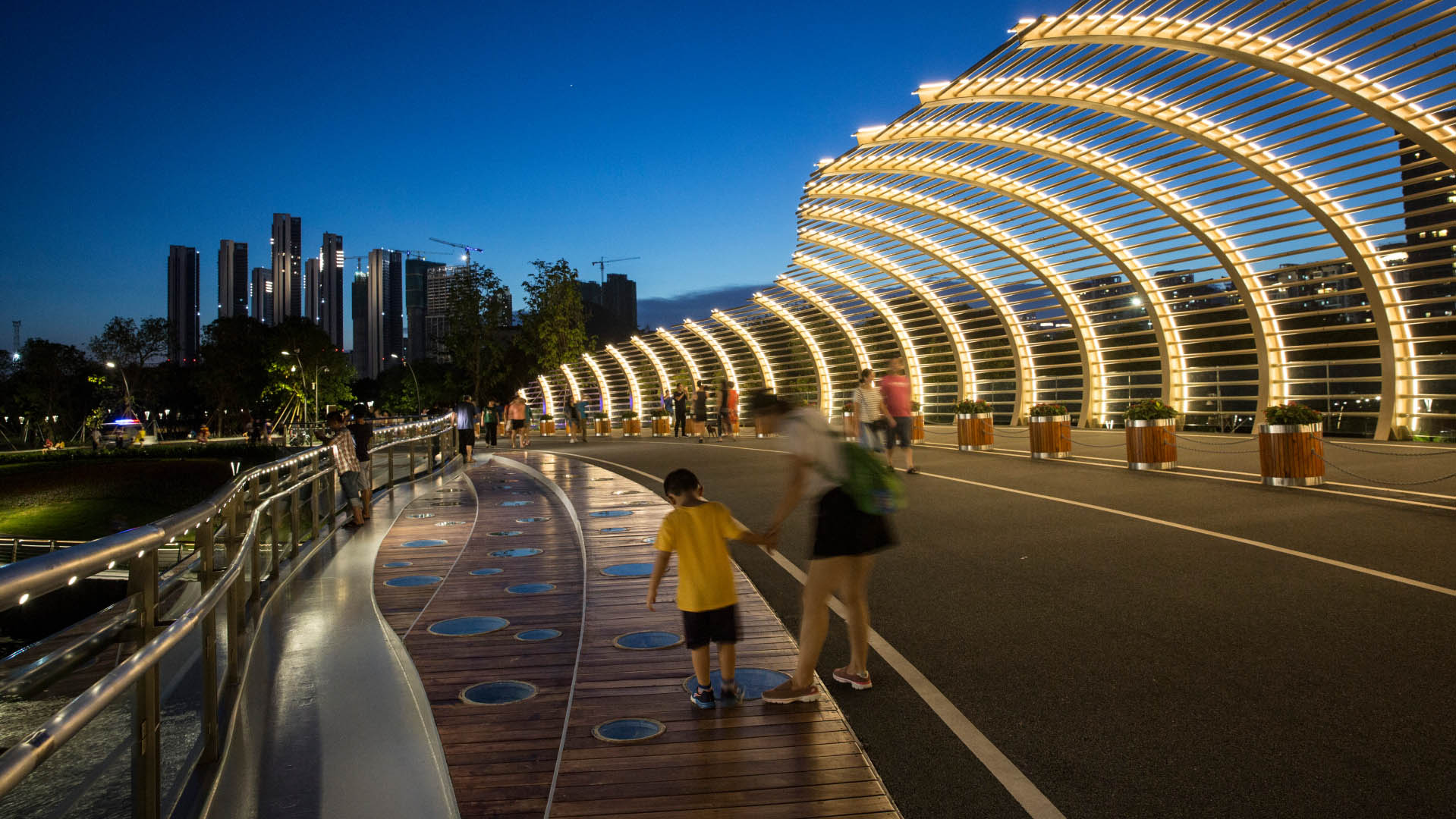
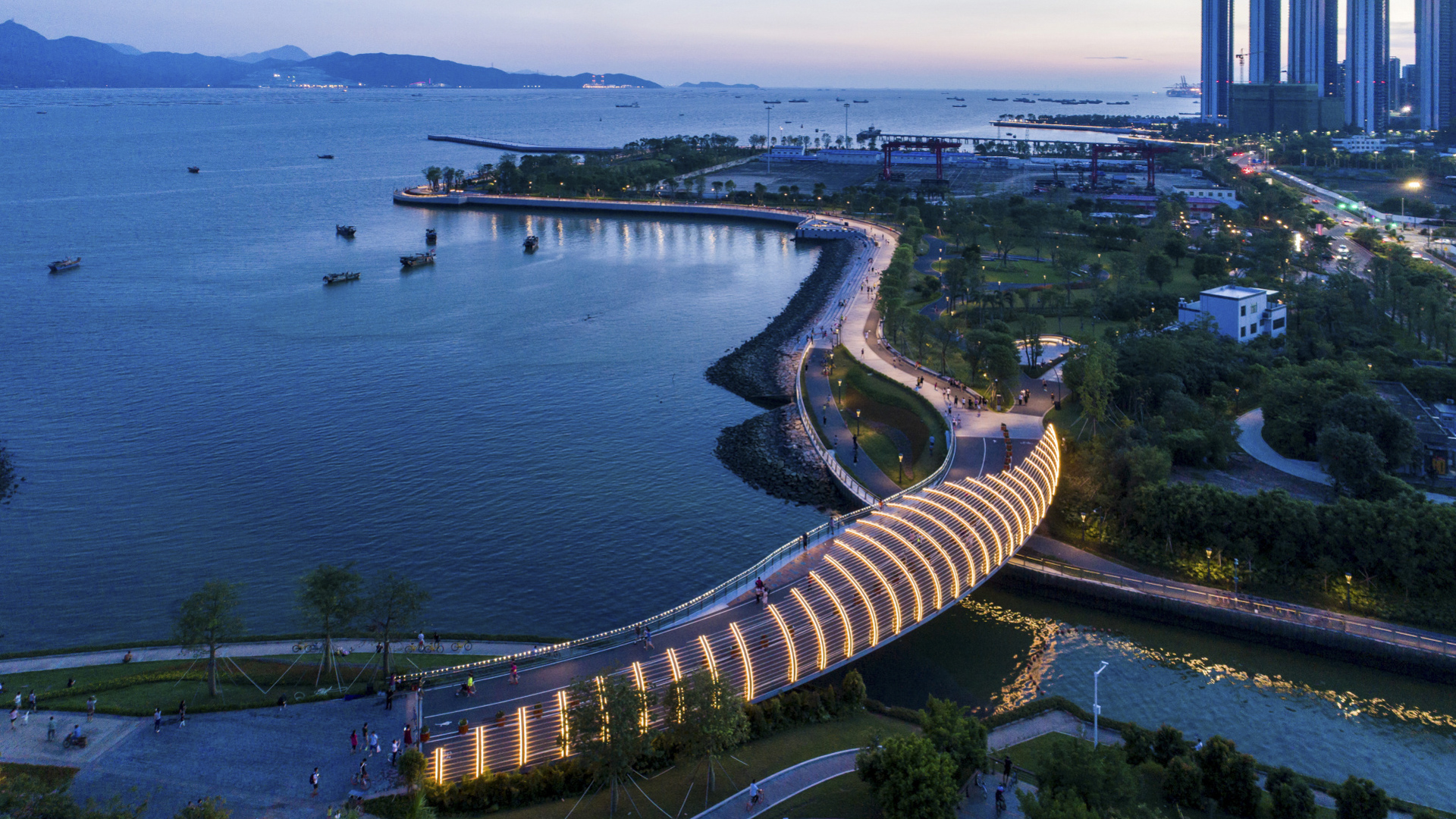
A gateway for China’s open-door policy, Shekou has revitalized its fragmented and hazardous coastline into a dynamic six-kilometer promenade that masterfully captures the area’s cultural and natural essence.
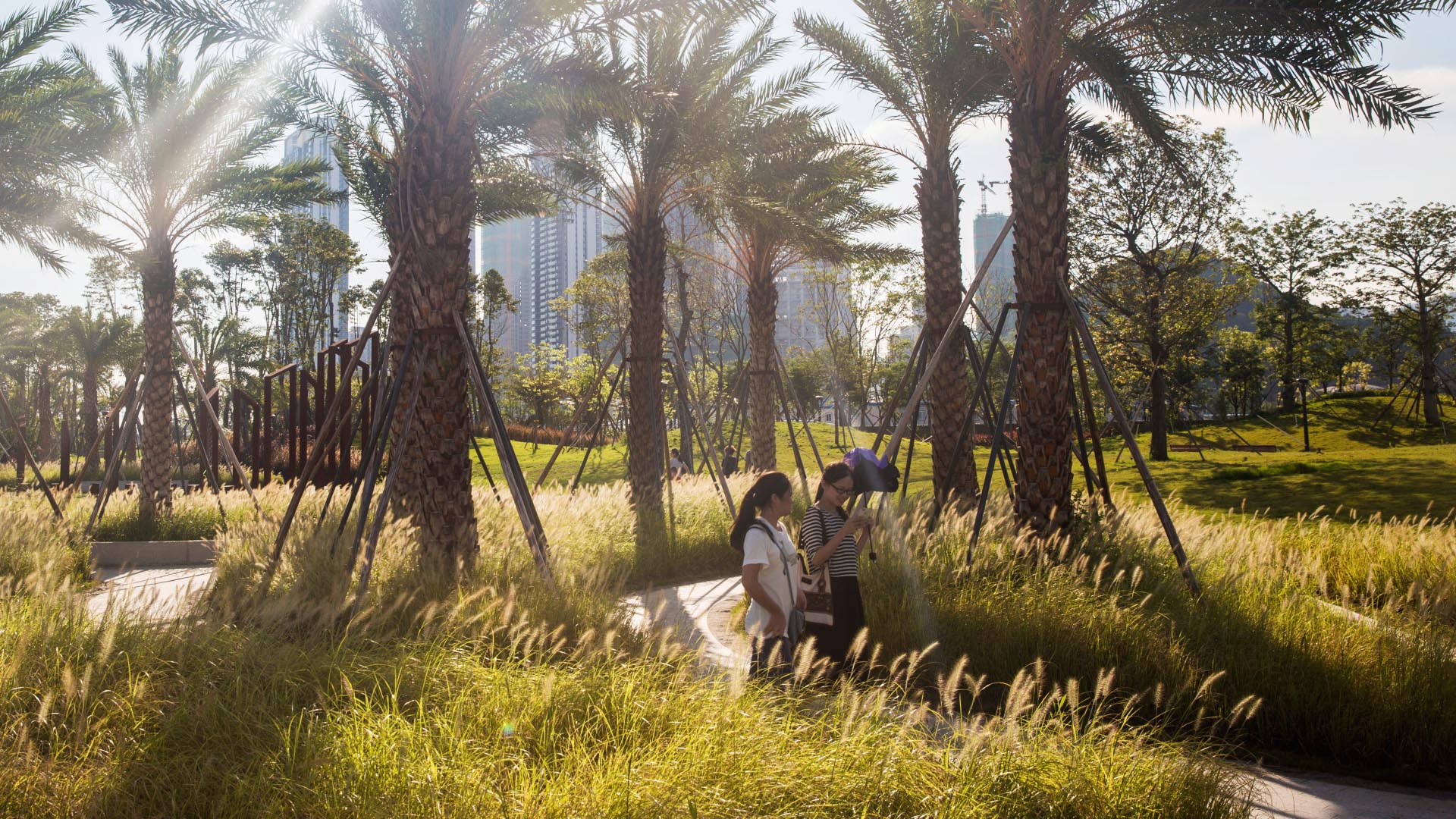
The promenade repurposes the disconnected former industrial waterfront into a celebrated open space system with new recreation programs and culturally enriched landscape spaces infused with Shekou’s authentic character. The redesign caters to visitors of all ages, offering amenities such as nursing rooms, shaded rest spots, and engaging playgrounds. Imaginative ‘mountains,’ undulating landforms, waterfront plazas, native gardens, and versatile trails harmoniously coexist with the existing fishing facilities. The repurposed Shekou lighthouse, now a captivating focal point of the Memorial Terrace, is embraced by a leisure terrace, an urban tidal pool, and carefully selected native plantings. Together, these elements create a unique environment that serves as a living tribute to Shekou’s past, present, and future.
While much of China’s past has been obscured by contemporary development, Shekou’s waterfront stands as a thriving mixed-use urban core that showcases the region’s rich industrial and natural heritage.
San Diego Embarcadero
The redevelopment plan for the waterfront and port facilities adjacent to downtown San Diego included translating community and economic requirements into a specific planning program. Emphasis was placed on urban design, circulation and parking, landscaping, environmental planning, and engineering considerations with a set of comprehensive implementation guide...
South Waterfront Greenway
A bold new plan for the area along the Willamette River includes a 1-1/2 mile extension of the City’s downtown’s parks and the reclamation of the river’s edge for public recreation. Working closely with the City of Portland, developers, and natural resource advocates, the design team devised a rational plan that places access and activity in targeted nodes wit...
Lewis Avenue
In a city renowned for fantasy, the design of Las Vegas’ Lewis Avenue celebrates the local desert landscape and affirms the street as part of a real-world working district. It was one of the first projects to be implemented in Mayor Oscar B. Goodman’s 2000 Las Vegas Downtown Centennial Plan, aimed at revitalizing the historic downtown core. The City asked SWA,...
Fuyang Riverfront
Seizing the area’s reputation for “one of the best mountain and water views in the world,” the natural framework along both sides of the Fuchun River inspires this plan integrating urban spaces with landscape to create a harmonious skyline. Fuyang flourishes with economic prosperity while honoring its vibrant cultural heritage.
The scope includes urban d...